Continuous Improvement in Children's Homes
Self-Evaluation and Continuous Improvement in Children's Homes. Building a Framework That Works
Self-evaluation in a children's residential home is the practice of honestly assessing how well the home is performing against its own standards and against the Quality Standards, identifying where it is falling short, and taking deliberate action to improve. It is distinct from the annual quality of care review, though the two are closely related. Where the annual review is a formal regulatory exercise, self-evaluation is the ongoing habit of critical reflection that should underpin everything else.
Homes that do this well are rarely surprised by Ofsted. Not because they are better at predicting inspection outcomes, but because they are genuinely managing quality rather than managing the appearance of quality. The difference is visible in the records, and experienced inspectors can tell.
What Continuous Improvement Looks Like in Practice
Continuous improvement in a children's home is not a project with a start and end date. It is a way of working. It means the manager reviews the quality of records regularly and gives feedback when standards slip. It means the team debrief after difficult incidents and ask what they would do differently. It means the responsible individual's monitoring visits identify real issues and generate real actions, not just reassurance.
For this to work, the home needs information. Not just a general sense of how things are going, but actual data:
- How many incidents have there been this month compared to last month?
- Are care plan reviews happening on schedule?
- Is training compliance across the team better or worse than it was six months ago?
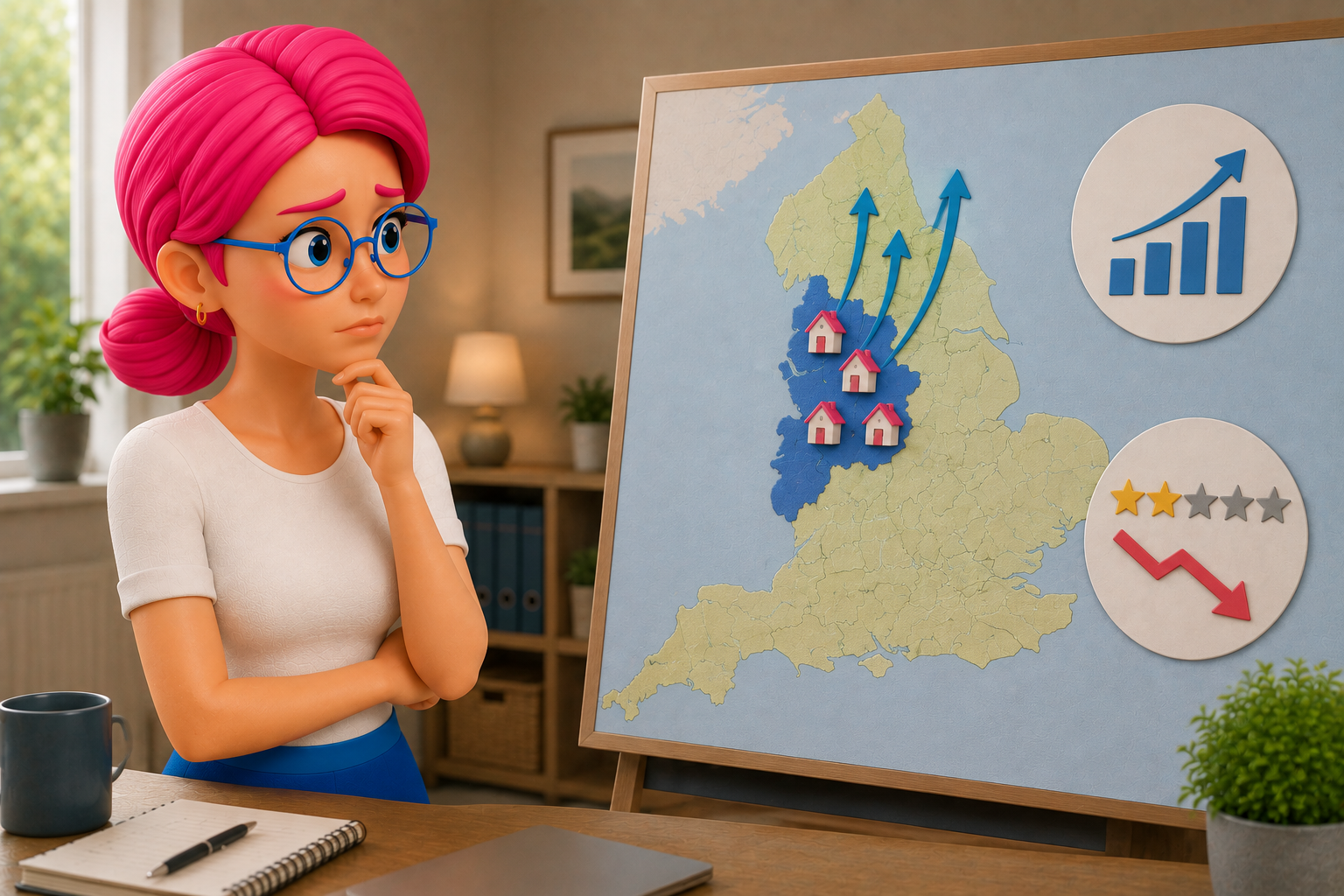
- Are any young people's outcomes indicators deteriorating?
Care management software that makes this kind of information accessible in real time is the practical foundation for a self-evaluating home. The manager who can answer all of these questions without requesting a report or conducting a manual audit is in a position to manage quality proactively.
Building a Self-Evaluation Framework
A useful self-evaluation framework maps the Quality Standards to the home's actual practice and generates a regular, structured assessment of how well the home is meeting each standard. It does not need to be complex. A monthly review of key compliance indicators, a quarterly review of outcomes data, and an annual deep-dive into the full Quality Standards picture gives most homes what they need.
The monthly review should cover:
- Training and safer recruitment compliance
- Care plan currency
- Supervision completion rates
- Incident rates and types, and any outstanding quality assurance actions.
These indicators are all generated automatically by a good care management platform, so the review is a matter of reading and responding to existing data rather than assembling it from scratch.
The quarterly outcomes review looks at progress against care plan goals across all young people in the home:
- It identifies any young people whose outcomes are not improving, and asks why.
- It connects to the young person's care plan and daily log to understand whether the planned care is actually being delivered, or whether there is a gap between intention and practice.

The Role of the Responsible Individual in Self-Evaluation
The responsible individual's monitoring function is closely connected to self-evaluation. A monitoring visit that is genuinely analytical rather than just another task, where the RI reads recent records, speaks to young people and staff, and produces a report that identifies both strengths and areas for improvement, is itself a self-evaluation exercise.
Over the course of a year, a set of well-written monitoring reports tells a rich story about the home's development. Where the same issue appears in multiple reports without being resolved, that is a governance concern. Where a problem is identified in one report and demonstrably improved by the next, that is continuous improvement working as it should.
Children's homes software that holds all of the RI's monitoring reports alongside the home's operational data makes this longitudinal picture visible. The manager can see how the home has developed over time. The RI can see whether their recommendations are being acted on. Ofsted, when it inspects, can see that oversight is genuine.
Using Self-Evaluation to Prepare for What Ofsted Will Find
One of the practical benefits of good self-evaluation is that it tends to narrow the gap between what a home knows about itself and what Ofsted finds. A home that has been honestly assessing its own performance, identifying weaknesses, and working on them, is unlikely to be shocked by an inspection outcome.
That does not mean every self-evaluating home will receive a good or outstanding judgement. Self-evaluation identifies where the work needs to happen; it does not do the work itself. But a home that approaches inspection knowing its own strengths and weaknesses is in a fundamentally better position than one that has been managing the appearance of compliance rather than the substance of it.
The records that a self-evaluating home produces are richer, more honest, and more useful than those of a home that treats compliance as a performance. Ofsted can see the difference, and so can the young people and families who depend on the home to be as good as it says it is.
Frequently Asked Questions
What is self-evaluation in a children's home?
It is the ongoing practice of critically assessing how well the home is meeting the Quality Standards and its own quality commitments, identifying areas for improvement, and taking deliberate action. It is distinct from the annual quality of care review but closely connected to it.
How does care management software support self-evaluation?
By making key performance indicators, compliance data, and outcomes information available in real time. Managers can see how the home is performing without conducting manual audits, which makes regular self-evaluation practical rather than aspirational.
What should a monthly self-evaluation review cover in a children's home?
Training and safer recruitment compliance, care plan currency, supervision completion rates, incident rates and types, outstanding quality assurance actions, and any outcomes indicators showing deterioration for individual young people.
Does good self-evaluation improve Ofsted inspection outcomes?
It tends to. Homes that genuinely self-evaluate are managing quality rather than managing appearances. They know their own weaknesses and are working on them, which means inspections are rarely a surprise and improvement is usually demonstrable.
Sue Solutions, children's and supported accomodation homes software, makes the data for self-evaluation available in real time, so improvement is built into how the home runs.