What One Entry Shows
A medication update logged at 6.42pm, reviewed within the same shift
Who
J. Carter, careworker
What
Medication update logged
When
6.42pm, edited 6.55pm
Reviewed
Manager, 7.15pm

Sue Solutions › Insights › Residential Care Audit Trail
What One Entry Shows
A medication update logged at 6.42pm, reviewed within the same shift
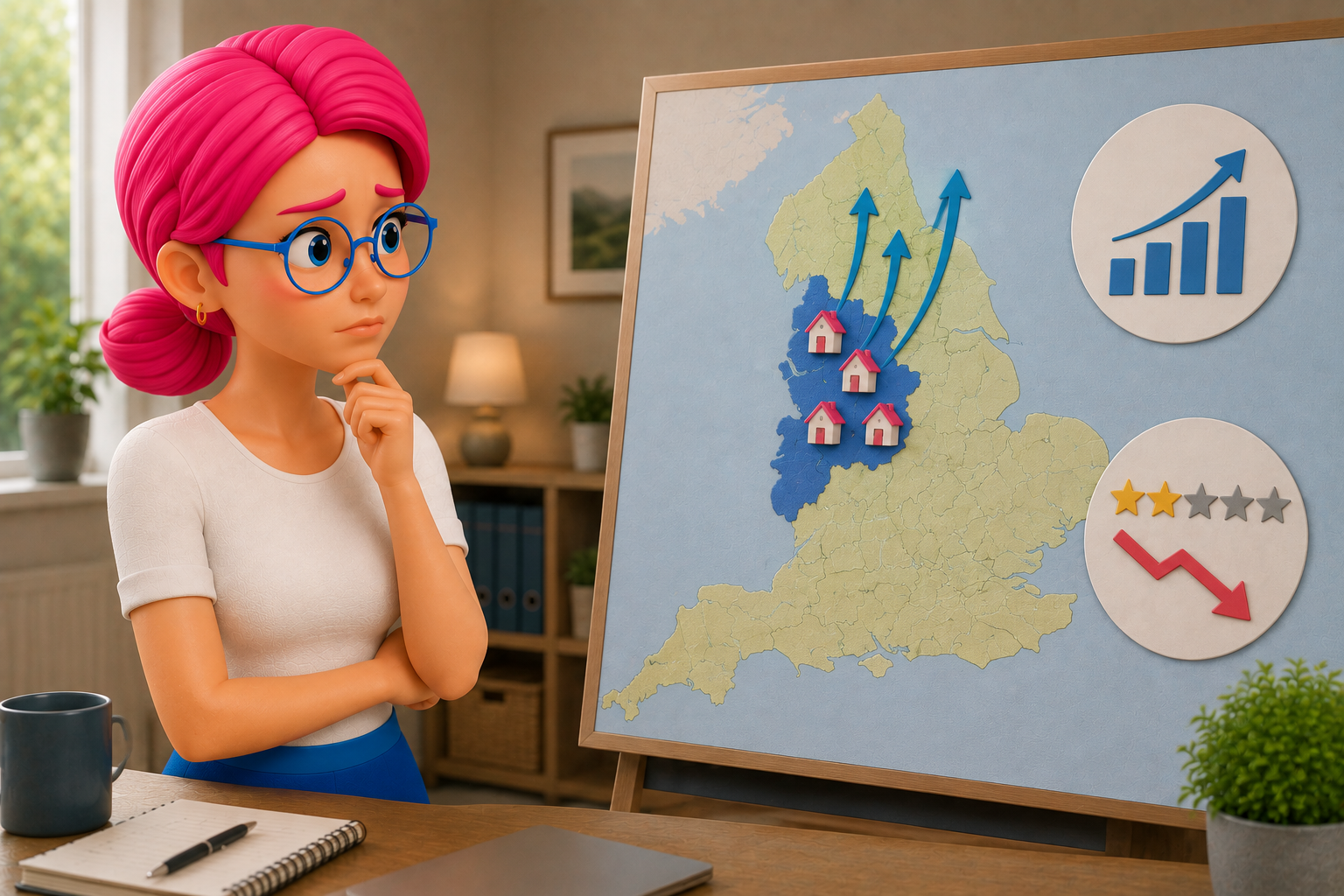
At 6.45pm, just before handover, somebody remembers a medication update that was mentioned earlier in the day. One staff member thought it had been logged. Another assumed it was in the child's daily record. The manager now has a familiar problem, not just whether the information exists, but whether anyone can prove when it was recorded, who saw it, and what happened next. That is where a residential care audit trail stops being a technical feature and starts becoming operational protection.
In children's residential care, records are not there simply to fill a folder or satisfy a process. They are there because young people need safe, consistent care, and because leaders need confidence that the right actions have been taken at the right time. When homes are busy, teams are stretched, and incidents do not wait for convenient moments, clarity matters.
An audit trail is the behind-the-scenes history of activity within your system. It shows what was added, changed, reviewed or completed, by whom, and when. In a children's home, that can apply to daily logs, incidents, medication records, sanctions, missing from care episodes, key work, risk assessments, staff supervision, training and home-level actions.
The value sits in the detail. A useful audit trail does not just confirm that a record exists. It shows the sequence. If an incident record was updated after the event, that is visible. If a risk assessment was amended following a review, that should be visible too. If a task sat untouched for three days, leaders need to know that as well.
Without that level of visibility, homes are often left relying on memory, inboxes, paper notes or informal explanations. That is risky in any regulated setting. In children's residential care, it can quickly become a safeguarding concern, a management issue and an inspection headache, all from the same gap.
Children's homes work in a uniquely pressured environment. Decisions get made quickly. Staff teams change across shifts. Important information needs to move between careworkers, managers and senior leaders without being diluted or lost, while the home still has to show that care is thoughtful, consistent and well-led.
This matters most when several people contribute to the same child's records. Paper systems and disconnected files can make that murky. A digital history gives everyone more certainty, which counts during internal reviews, when responding to complaints, and when preparing for Ofsted.
Many homes do record information. The harder question is whether they can evidence the full journey of that information. That question looks slightly different depending on the service. A children's home audit trail is weighted toward incidents, restraint and daily events. A supported accommodation audit trail carries more evidence of progress and change over time, matched to its own national standards rather than the Children's Homes Regulations.
| Question Asked | What Recording Answers | What Evidencing Answers |
|---|---|---|
| Did it happen? | Yes, a form exists | Yes, and here is when it was entered |
| Was it checked? | Unclear from the form alone | Reviewed by a named manager at a named time |
| What happened next? | Often not recorded at all | Follow-up actions created, tracked and closed |
Logging an incident is one thing. Showing when it was entered, whether it was edited, whether a manager reviewed it, and whether the follow-up actions were completed is something else entirely. Inspections and investigations rarely stop at whether a form exists. They move on to what happened next, and that is exactly what a strong audit trail answers, reducing the scramble across spreadsheets, emails and handwritten notes that leaders otherwise face.
Not every audit trail is equally helpful. Some systems technically track changes but make that information difficult to access or too vague to use. A good setup supports frontline care and leadership oversight at the same time.
The aim is not surveillance for its own sake. The aim is to stay informed, stay in control, and protect standards when homes are under pressure.
Inspection readiness gets framed as a separate activity, something teams prepare for on top of the day job. In well-run homes, it should already be built into everyday practice. A residential care audit trail helps because it creates evidence as work happens, rather than asking people to reconstruct it later.
When inspectors ask about safeguarding oversight, management monitoring or record quality, homes need more than a confident verbal answer. They need consistency they can show. A visible audit trail supports that by demonstrating not only that records are being completed, but that leadership review and operational follow-through are part of normal practice.
An audit trail will not fix weak culture or poor decision-making on its own. If a home is not acting on concerns, the history simply makes that more visible, which is still useful.
This is where some teams get nervous. Hear "audit trail" and it is easy to imagine another layer of admin, or a system designed to catch people out. That concern is understandable, especially in homes where staff already feel stretched.
The answer is not to avoid visibility. It is to make the system work with the job rather than against it. Audit trails are most effective when they are created automatically as staff complete their actual tasks. If teams have to duplicate work just to produce evidence, the process will not last. It becomes something staff work around rather than something that works for them, which is one reason sector-specific systems matter for both children's residential homes and supported accommodation. Neither setting needs generic software with a care label attached. Both need tools built around the reality of shift work, safeguarding responsibilities and regulated oversight.
Done properly, an audit trail sits quietly in the background while giving leaders the confidence they need. It reduces chasing, reduces uncertainty, and reduces the time spent piecing together who did what.
For registered managers, an audit trail makes day-to-day oversight far less reactive. Instead of discovering issues after they have snowballed, managers can see delays, gaps and outstanding actions sooner, with a better chance of intervening early and supporting the team properly.
For responsible individuals and directors, the benefit is wider. They need visibility across homes without relying on occasional updates or polished reports. A reliable audit trail makes governance more grounded, helping leaders ask better questions and support managers with facts rather than assumptions.
This becomes more important as organisations grow. What works in one home with a close-knit team often does not survive contact with multiple services. Information gets fragmented. Oversight becomes uneven. Standards start depending too heavily on individual memory and management style. A clear audit trail is a large part of what stabilises that as a provider expands.
The best residential care audit trail does not shout for attention. It gives your home a clearer memory, a stronger line of accountability, and a calmer way to prove good care when it matters most.

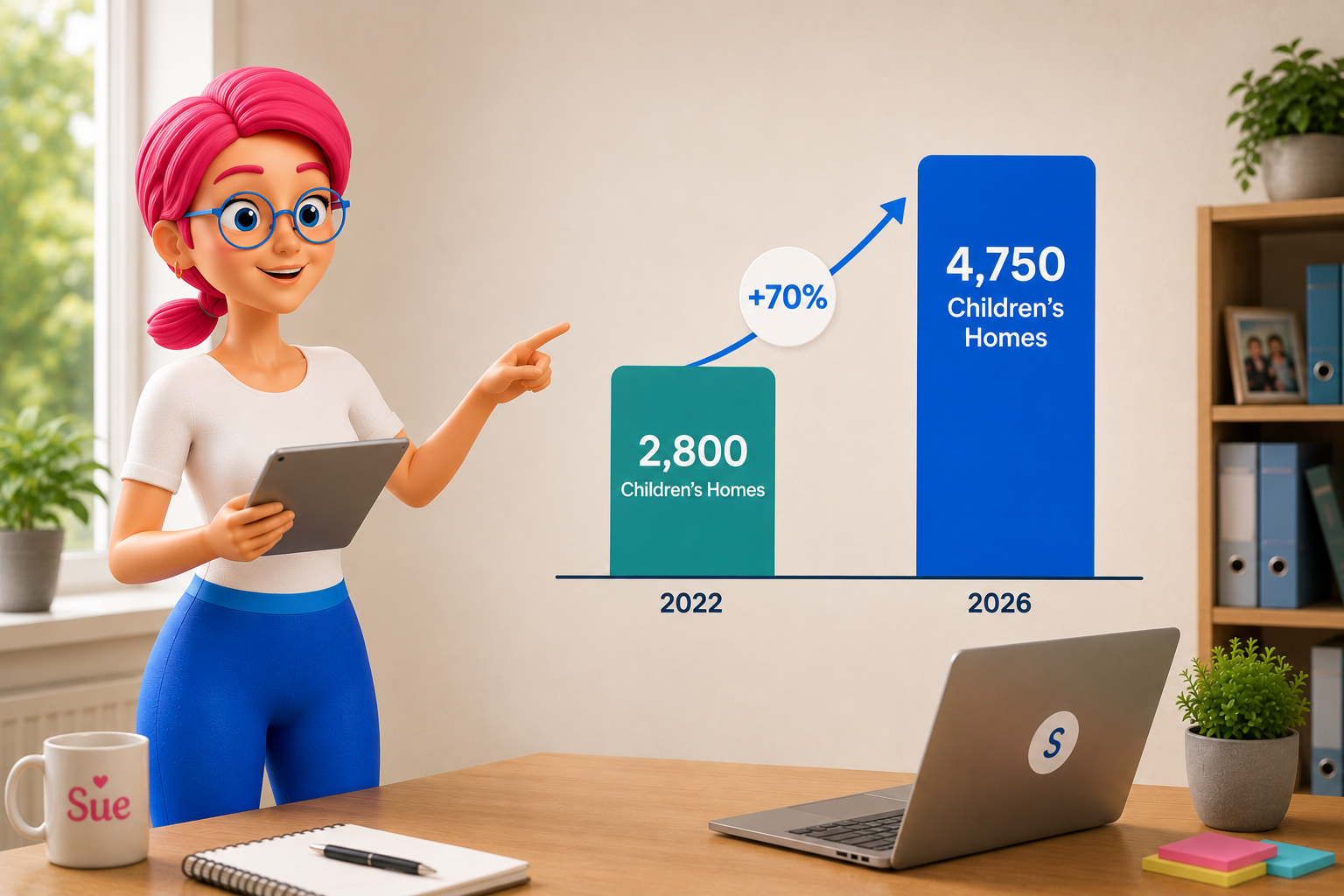
Sue Solutions builds the audit trail automatically as staff work, so evidence exists because the shift happened, not because someone reconstructed it later. Built by people who worked in residential childcare and supports over 1,000 UK homes.
Book A Demo →It is the behind-the-scenes history of activity in a care record. It shows who did what, when they did it, and what happened next, covering daily logs, incidents, medication records, sanctions, missing from care episodes, key work, risk assessments, staff supervision, training and home-level actions. A useful audit trail shows the sequence of events, not just that a record exists.
Recording means a form exists. Evidencing means you can show when it was entered, whether it was edited, whether a manager reviewed it, what follow-up actions were created, and whether those actions were completed. Inspections and investigations rarely stop at whether a form exists. They ask what happened next, and an audit trail is what answers that.
It should not, if it is built into the system properly. An audit trail works best when it is created automatically as staff complete their normal tasks, rather than asking teams to duplicate work just to produce evidence. If a system needs extra steps to generate a trail, it will feel like a separate compliance exercise rather than something that supports the job.
It creates evidence as work happens rather than asking staff to reconstruct it later. When inspectors ask about safeguarding oversight or management monitoring, a visible audit trail shows that records are being completed and that leadership review and follow-through are part of normal practice, not something assembled for the visit.
The underlying idea is the same, showing who did what and when, but the record types shift. A children's home audit trail is weighted toward incidents, restraint and daily events under the Children's Homes Regulations. A supported accommodation audit trail carries more evidence of progress and change over time, matched to the separate national standards that govern that service. A system built for one and stretched to cover the other tends to miss that difference.