Complaints Management in Children's Home
Complaints Management in Children's Home. What Good Practice Looks Like
Young people in residential children's homes have a statutory right to raise concerns about their care, and homes have a corresponding duty to take those concerns seriously, respond to them properly, and learn from them. Complaints management is both a regulatory requirement and a measure of how genuinely child-centred a home's practice is.
In practice, the quality of a home's complaints process tells Ofsted a great deal about how the home treats the young people in it. A home where concerns are welcomed, recorded transparently, and resolved in a way the young person understands is demonstrating values that cannot easily be faked. Care management software that structures this process from first recording through to resolution supports both the compliance requirement and the practice behind it.
The Regulatory Framework
The Children's Homes (England) Regulations 2015 require every home to have a written complaints procedure that is accessible to children in a format they can understand. Young people must be made aware of how to complain, and they must have access to an independent person or body if they are not satisfied with the home's response.
The procedure must cover how complaints will be acknowledged, how they will be investigated, what timescales apply, and how the outcome will be communicated to the young person. Records of all complaints must be kept, including the nature of the concern, the investigation, the outcome, and any actions taken as a result.
Ofsted inspectors will ask to see complaints records and will look at whether the home has responded to concerns in a timely and proportionate way, and whether it has used complaints to improve its practice. A home with no recorded complaints over a significant period is not necessarily one where everything is going well. It may be one where young people do not feel safe enough to raise concerns.
Making It Safe and Accessible for Young People
The most important characteristic of a good complaints process is that young people actually use it. A procedure that exists on paper but is not accessible in practice, because the format is too formal, the language is too complex, or the process feels too daunting, is not meeting the intent of the regulation.
Good practice means making multiple routes available: speaking to a key worker, writing something down, using a digital tool, or contacting an independent advocate. It means explaining the process in plain language and, for some young people, in visual formats. And it means making it clear, through the home's culture and the behaviour of its team, that raising a concern is safe and will be taken seriously.
Software that provides a dedicated way for young people to log concerns, or that makes it easy for a care worker to record a concern on a young person's behalf immediately rather than waiting until the end of a shift, removes one of the practical barriers to engagement with the complaints process.
Recording, Investigating, and Responding
Once a complaint is received, the home's obligations are straightforward but demanding. The concern must be acknowledged promptly. An investigation must be conducted, proportionate to the nature of the complaint. An outcome must be communicated to the young person in a way they can understand. And a record must be kept of all of it.
Care management software that holds complaint records alongside the young person's care record means that the investigation process is connected to the relevant context. If a young person complains about how a specific incident was handled, the incident record, the care plan, and the risk assessment are all accessible within the same system.
Tracking complaints to resolution, with the timescales for each stage visible to the manager, means nothing sits unanswered. Automated prompts alert managers when a complaint has not been acknowledged within the required period or when an outcome has not yet been communicated.
Learning From Complaints at a Service Level
Individual complaints matter. But the pattern of complaints across a home, or across a group of homes, is what tells the registered person and responsible individual whether there are systemic issues that need addressing.
A home that receives repeated complaints about the same aspect of its practice, the food, the way a particular rule is applied, the attitude of a specific member of staff, is being given a clear signal. Whether that signal is acted on is a governance question as much as an operational one.
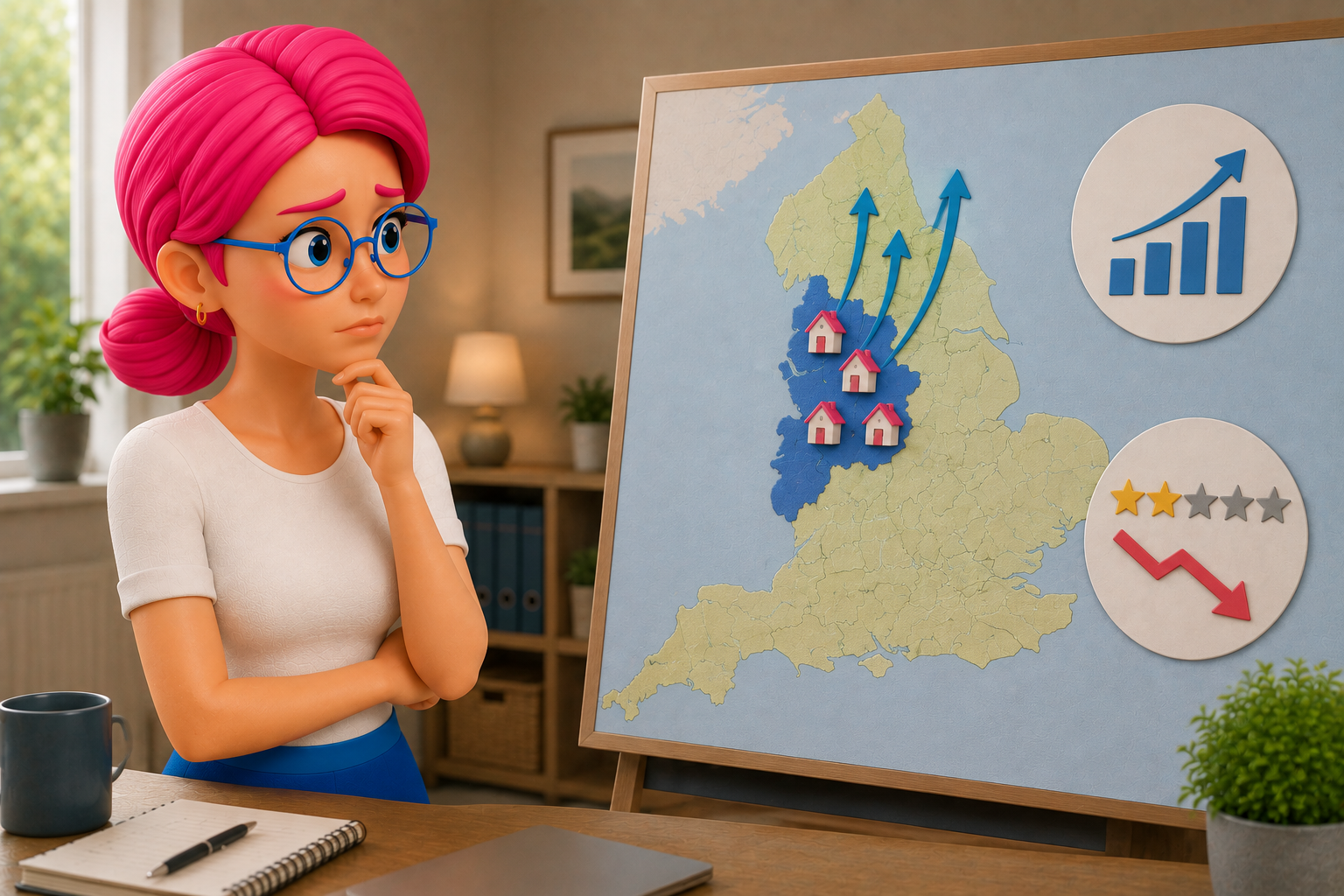
Responsible individuals overseeing multiple homes can use complaints data at a group level to identify homes where the pattern warrants closer attention. Directors can use it to understand whether complaints are an isolated feature of one home's culture or a wider issue. Software that makes this data visible across the portfolio turns complaints management from a home-level compliance task into a meaningful quality indicator.
Frequently Asked Questions
What complaints procedure must a children's home have?
Every home must have a written complaints procedure that is accessible to young people, sets out how complaints are acknowledged, investigated, and resolved, and provides access to an independent person if the young person is not satisfied with the home's response.
Do children's homes have to keep records of complaints?
Yes. Records must be kept of all complaints, including the nature of the concern, the investigation conducted, the outcome, and any actions taken as a result. These records may be reviewed by Ofsted during an inspection.
What does a low number of complaints in a children's home indicate?
Not necessarily that everything is going well. It may indicate that young people do not feel safe or empowered to raise concerns. Ofsted is likely to ask how the home encourages young people to use the complaints process, not just whether complaints have been recorded.
How does care management software support complaints management?
It provides structured complaint recording, tracks acknowledgement and resolution timescales, connects complaints to the relevant care records, alerts managers to outstanding responses, and makes complaint patterns visible at a home or group level.
Sue Solutions children's residental homes software helps structure the complaints process from first recording to resolution, with full visibility for managers and responsible individuals.