
Statement of Purpose in Children's Homes
Statement of Purpose in Children's Homes: What It Is and Why It Matters
Every registered children's home in England must have a statement of purpose. It is one of the first documents Ofsted looks for at registration and one it returns to during every inspection. Yet for many providers, the statement of purpose is treated as a registration hurdle rather than a working document, written once and filed rather than used.
That is a missed opportunity. A well-written statement of purpose is a description of what the home is for, who it is designed for, and how it intends to operate. When it is genuinely used to shape day-to-day practice, it becomes a quality assurance tool rather than just a compliance requirement.
What a Statement of Purpose Must Include
Schedule 1 of the Children's Homes (England) Regulations 2015 sets out the required content. The document must include the home's name and address, the name of the registered provider and manager, the purpose and ethos of the home, the range of needs the home is able to meet, the number of places, and the age range and gender of children it is intended for.
It must also cover the facilities and services the home provides, arrangements for religious observance, arrangements for family contact, the complaints procedure, and how the home promotes equality and diversity. The staffing model, staff qualifications and experience, and the management and oversight arrangements all need to be described as well.
Ofsted must be notified of any proposed change to the statement of purpose before that change takes effect. This is not a document that can be updated quietly.
How Ofsted Uses It During Inspection
Inspectors read the statement of purpose before an inspection and use it to frame their assessment. If it says the home specialises in supporting young people with emotional and behavioural difficulties, inspectors will look for evidence that the home's practice, staffing, environment, and care planning genuinely reflect that specialism.
A mismatch between what the statement describes and what the home actually does is a significant concern. It may indicate that the home has drifted from its intended purpose, is accepting placements outside its stated remit, or has simply not kept the document current. All three raise questions about management quality that an inspector will want to explore.
This is why the statement should be reviewed at least annually, and whenever there is a meaningful change in the home's operation. A document that accurately described the home three years ago may be materially misleading today.
How Software Connects Daily Practice to the Statement of Purpose
The connection between the statement of purpose and care management software is more direct than it might appear. The statement describes what the home is supposed to do. The software records and evidences whether it is doing it.
If the statement says the home promotes educational achievement, the software should be tracking educational attendance and progress for every young person. If it describes a therapeutic approach to behaviour, the care plans and daily logs should reflect that approach. If it commits to maintaining family contact, the records should show how that contact is being supported.
A residential children's home management platform that structures care recording around the Quality Standards makes this alignment much easier to maintain and much easier to demonstrate. The statement of purpose becomes part of how the home works every day, rather than a document that only gets read when an inspector asks for it.
The Most Common Weaknesses
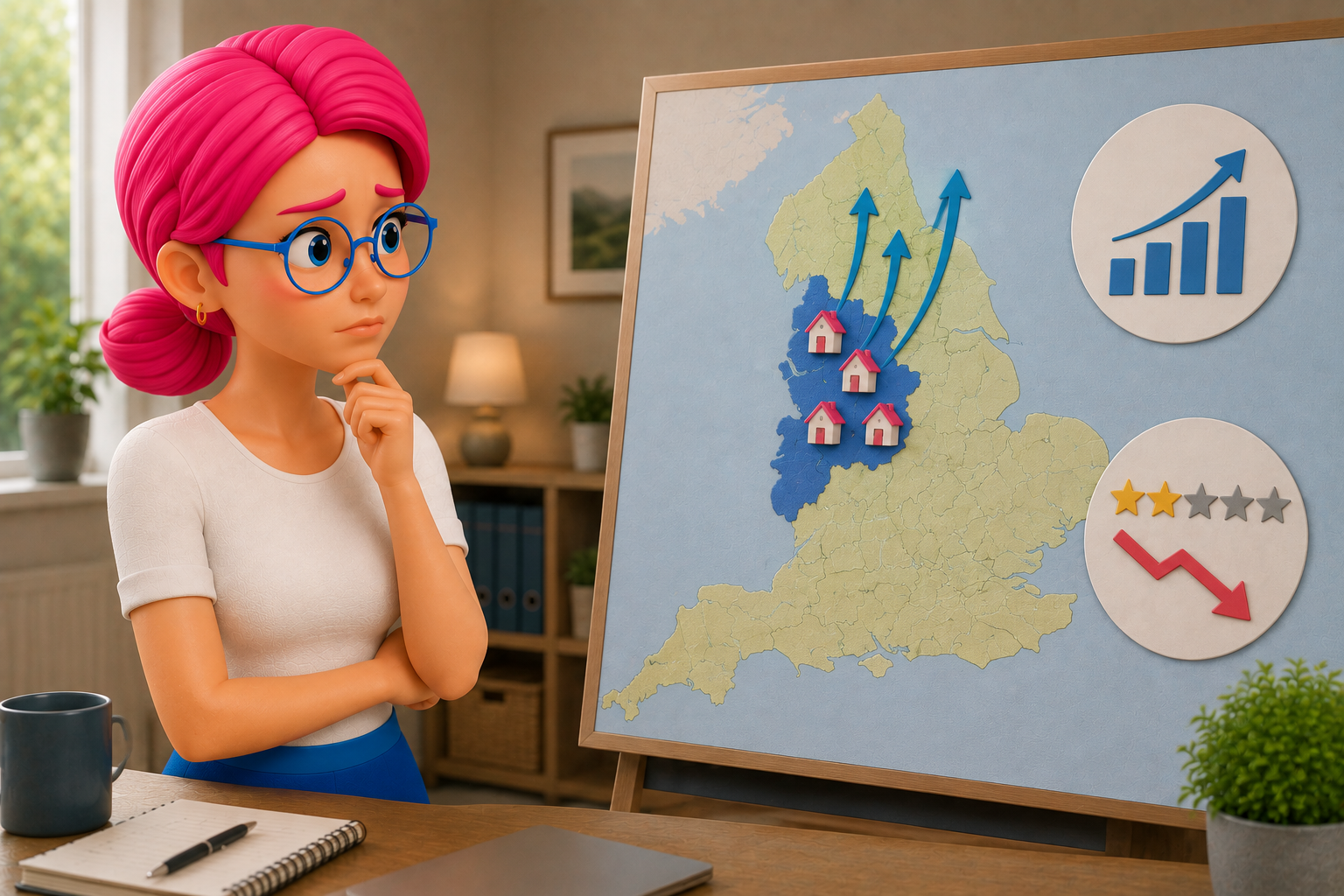
The most common weakness in statements of purpose is vagueness. A document that describes the home's purpose as 'providing high-quality care for children with a range of needs' gives Ofsted almost no information about what the home actually does or how it does it.
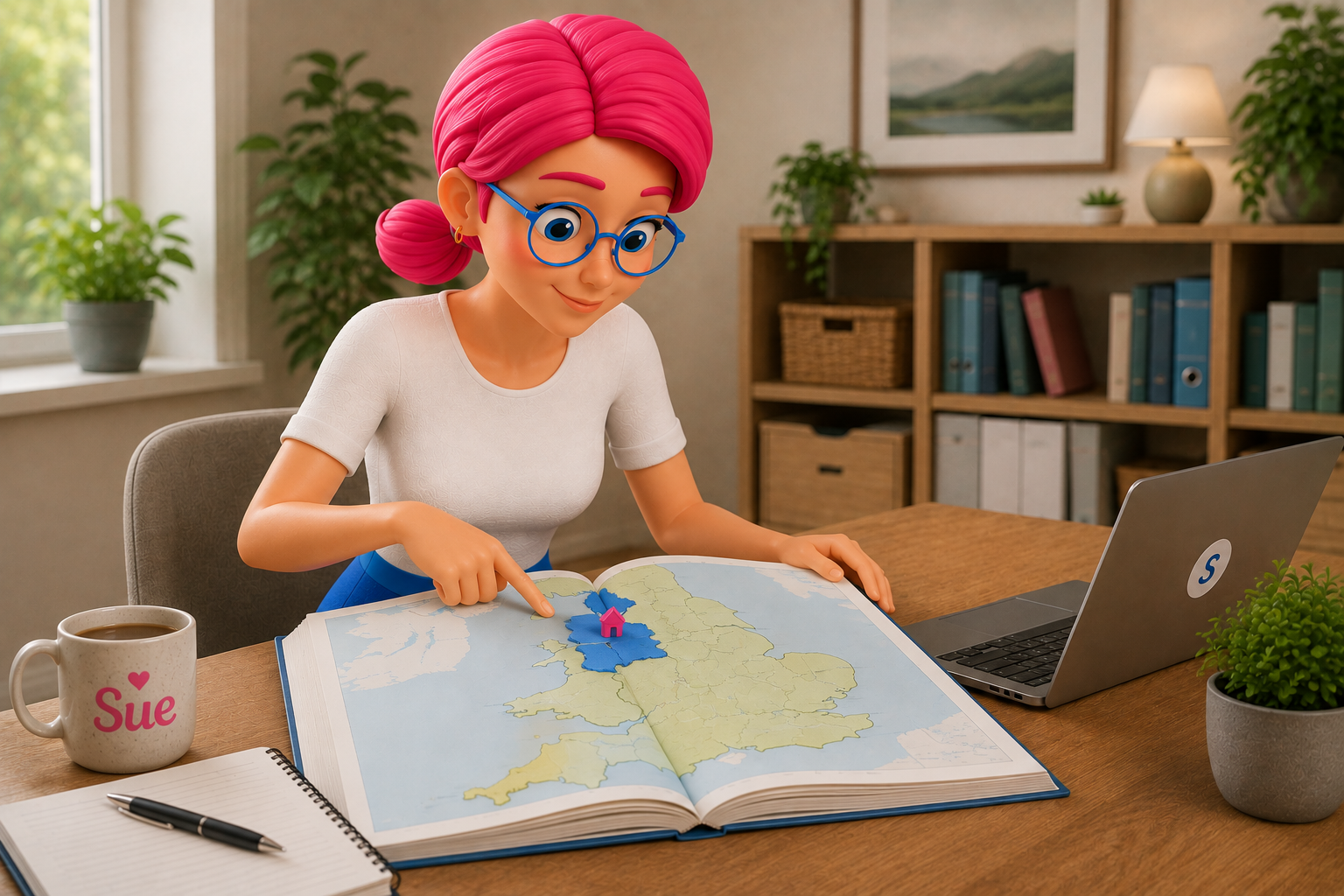
Specificity is what makes the statement useful. It should describe the particular needs the home is equipped to meet, the approaches it uses, and the outcomes it is working towards. That level of detail also makes it a meaningful document for placing authorities when they are considering whether a home is right for a specific young person.
The second most common problem is that the statement is simply not current. A document written at registration and never revised is unlikely to accurately reflect a home that has changed its leadership, its therapeutic approach, or the profile of young people it works with. Keeping it current is part of responsible governance, not just a paperwork exercise.
Frequently Asked Questions
What is a statement of purpose in a children's home?
A document that every registered children's home must have, setting out its purpose, the needs it is designed to meet, the services it provides, and its management and staffing arrangements. Required under Schedule 1 of the Children's Homes (England) Regulations 2015.
How often should a statement of purpose be reviewed?
At least annually, and whenever there is a significant change in the home's operation, leadership, or placement model. Ofsted must be notified of proposed changes before they take effect.
What happens if a home operates outside its statement of purpose?
It is a significant compliance concern and can contribute to an adverse inspection outcome. It may also indicate that the home is accepting placements it is not equipped to manage.
How does children's home software relate to the statement of purpose?
The software records and evidences whether the home is operating as its statement describes. Care plans, incident records, training logs, and outcomes data collectively show whether the home's stated purpose is being delivered in practice.
Sue Solutions structures care recording around the Quality Standards, keeping practice aligned with your statement of purpose.