Sue Solutions › Insights › Responsible Individual Oversight Tools
Responsible Individual Oversight Tools
Reassurance
Everything seems fine because nobody has told you otherwise. The manager sounds confident on the phone, and the last audit was clean, but you find out what was happening underneath several weeks after it started.
Evidence
You can see which homes need attention today, not at the next scheduled call. A pattern in incidents, a supervision that keeps slipping, a training gap closing in, all visible before anyone has to flag it.
If you are the Responsible Individual for a children's home, you already know the pressure does not sit neatly in one box. You are expected to maintain oversight of safeguarding, staffing, incidents, compliance, culture, quality of care and organisational accountability, often across more than one service and sometimes across supported accommodation as well as registered children's homes. That is exactly why responsible individual oversight tools matter. Done well, they do not add another layer of admin. They give you a clearer line of sight when it counts.
In children's residential care, oversight is not a passive activity. It is active, ongoing and tested under scrutiny. When an incident happens, when a pattern starts to emerge, or when Ofsted asks how leadership maintains control across a home or group of homes, vague reassurance is not enough. You need evidence, context and confidence in the information in front of you.
What Responsible Individual Oversight Tools Should Do
The phrase can sound broad, but in the end oversight tools should help you answer a small number of serious questions quickly. What is happening in each home right now? What needs attention? Where are the risks increasing? Are managers following through? Are staff performance, training and records where they need to be? And can you evidence your oversight without chasing updates from three different systems and a pile of emails?
That means good oversight tools are not just dashboards. They should bring together operational data in a way that supports judgement. A red flag on its own is rarely enough. You need to see what sits behind it, whether that is repeated missing-from-home incidents, medication errors, overdue supervisions, recurring complaints, gaps in sanctions recording or patterns in restraint reporting.
For Responsible Individuals, the quality of the tool is measured by one thing above all: does it help you stay informed, stay in control and act early?
Why Spreadsheets Stop Working
Many providers start with workarounds. A spreadsheet for audits, a folder for Regulation 44 reports, a separate HR system, handwritten handover notes, emails for incidents, and maybe a central document tracking training. That can just about hold together in a single home with low turnover and a very experienced manager. Once services grow, staff change, or inspection pressure rises, the cracks show.
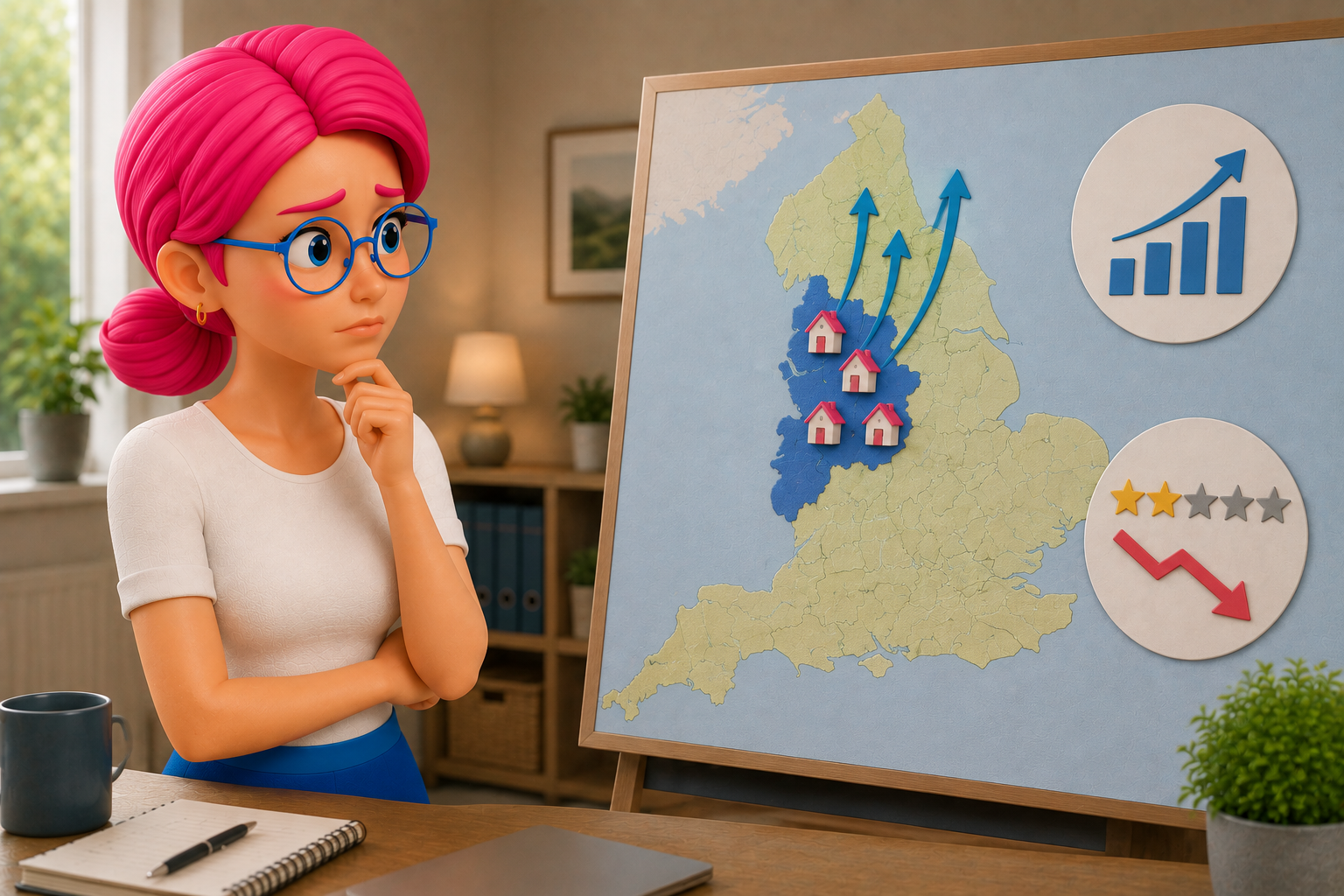
The problem is not only that information is spread out. It is that fragmented information slows leadership response. By the time a concern reaches the RI, it may already have been building for weeks. A missed action after an incident, repeated overdue checks, or a drop in recording quality often starts as a small signal. If your oversight depends on someone manually spotting it and escalating it, you are relying too heavily on chance.
This is where sector-specific systems make a real difference. In a children's home, the operational detail matters. Generic business reporting software will not always reflect the things that matter most in care: safeguarding patterns, home-level compliance tasks, key work completion, placement stability, staff supervision frequency, allegations management or the quality of day-to-day records.
Incidents are recorded. Staffing looks stable. Audits are being completed on schedule. Nothing here would make a home stand out on a summary report.
Behaviour incidents are rising. Debriefs are not consistently signed off. Several staff are nearing mandatory training expiry within weeks of each other.
A good oversight tool helps you catch that second picture early and have the right conversation with the manager before it becomes a bigger problem, rather than finding out once the two pictures have already pulled apart.
What to Look for in a System
There is no single feature that makes a tool right for every provider. It depends on your size, structure and current level of control. Still, some essentials tend to matter across the board.
Does the System Update in Real Time?
Oversight based on week-old updates is weaker than it looks. If incidents, actions and compliance tasks are logged in real time, you are not waiting for a monthly report to find out something has drifted.
Does the View Reflect the RI Role?
Responsible Individuals do not need the same view as care staff or home managers. You need high-level visibility, trends, exceptions and accountability trails, without wading through every operational screen.
Do Actions Get Tracked, Not Just Flagged?
Identifying an issue is one thing. Assigning follow-up, tracking progress and confirming resolution is another. Oversight should not end at awareness.
Does Reporting Support Inspection Readiness?
Not paperwork for its own sake, but the ability to evidence how leaders monitor performance, challenge concerns, review incidents and maintain standards, the way you would want to show it in a real inspection scenario.
Is It Usable for Frontline Staff?
If a system is awkward for frontline teams, the quality of data suffers, and if the data is poor, senior oversight becomes less reliable. Good governance starts with good recording.
The Balance Between Oversight and Interference
This is where nuance matters. Responsible Individual oversight tools should strengthen managers, not undermine them. A system built around constant top-down checking without context tends to create defensiveness and noise rather than improvement.
Does this system help me know when to step in, or does it just tell me to look at everything, all the time?
Strong oversight is about knowing when to step in, when to ask questions and when to let a capable manager lead. The right system supports that balance by highlighting exceptions, patterns and unresolved actions instead of pushing every detail to senior level regardless of size. That distinction matters most in multi-home groups. If every small issue becomes an RI issue, the model stops being efficient. If major concerns stay buried in local systems, the model stops being safe. Good tools sit you in the middle, informed, proportionate and able to respond.
Why Sector Fit Matters
Children's homes are not generic care environments, and oversight tools should not treat them as if they are. The pressures are different. The safeguarding responsibilities are different. The regulatory expectations are different. The emotional reality of the work is different too. The same is true if your services include supported accommodation, which sits under its own national standards and inspection framework rather than the Children's Homes Regulations, so a tool built only for residential care can leave that side of the organisation underserved.
That is why software designed for residential childcare tends to outperform systems adapted from other sectors. It understands the language of the home, the workflow of recording, the importance of chronology, and the need for role-based accountability from careworker through to director level. For Responsible Individuals overseeing both children's residential homes software and supported accommodation software under one roof, that sector fit tends to translate into sharper questions and stronger evidence, working with a platform that reflects how your services really run rather than one built for a different setting and stretched to fit.
- Homes are compared using the same recording standard, not five local variations
- Escalation follows the pattern of the sector, not a generic business workflow
- Regulation 44 visits, Reg 40 notifications and audits sit in the same operational record as everything else
- A new manager can pick up oversight without relearning a bespoke local system
Better Oversight Should Reduce Pressure, Not Add to It
One concern we hear often is that new systems simply create more data, more notifications and more pressure on already stretched teams. That can happen if the software is poorly designed or implemented without a clear purpose. The right oversight tools do the opposite. They reduce duplication, make information easier to trust, and cut the time spent chasing updates, so the reporting comes from the day-to-day operational record instead of a separate report built specially for you.
The real value sits in fewer blind spots rather than more admin, in clearer priorities rather than louder alerts, and in professional judgement that is backed up by better visibility rather than replaced by a dashboard. For Responsible Individuals, that can change the quality of leadership across a service. You spend less time gathering fragments and more time leading well: supporting managers, spotting trends, asking sharper questions and keeping young people at the centre of decisions.
The best oversight tools do not pretend to remove the weight of responsibility. They help carry it properly, with clearer evidence, earlier warnings and a steadier grip on what is happening across your homes.

Sue Solutions gives Responsible Individuals one line of sight across every home, with evidence already in place before you need to ask for it. Built by people who worked in residential childcare and supports over 1,000 UK homes.
Book A Demo →Frequently Asked Questions
They should help you answer a small number of serious questions quickly: what is happening in each home right now, where risks are increasing, whether managers are following through, and whether you can evidence your oversight without chasing three different systems. A good tool brings operational data together in a way that supports judgement, not just a dashboard that displays it.
Spreadsheets and folders can hold together in a single home with an experienced manager and low turnover. Once services grow or staff change, information spread across several places slows leadership response. A concern can build for weeks before it reaches the RI if oversight depends on someone manually spotting it and escalating it.
By highlighting exceptions, patterns and unresolved actions rather than pushing every detail to senior level all the time. Strong oversight is about knowing when to step in and when to let a capable manager lead. A tool built around constant top-down checking without context tends to create defensiveness rather than improvement.
Information that updates in real time rather than arriving as a monthly report, a view built around the RI role rather than reused from care staff or manager screens, the ability to assign and track follow-up action rather than just flag issues, and reporting that supports inspection readiness without pulling managers away from the home to produce it.
Yes, provided the platform is built to reflect both frameworks rather than adapting one to fit the other. Children's homes operate under the Children's Homes (England) Regulations 2015, while supported accommodation sits under its own national standards, so the underlying record types differ even when the same Responsible Individual is accountable for both. A system built for the sector keeps that distinction while still giving one combined view across the organisation.