Multi Home Care Reporting Software For Children's Homes And Supported Accommodation
When you are responsible for more than one children's home or supported accommodation service, reporting stops being a paperwork issue and starts becoming a control issue. One missed incident follow-up, one overdue supervision, or one site using a slightly different recording standard can quickly turn into a wider operational problem. That is why multi home care reporting software matters: not as a nice extra, but as part of how growing providers stay informed, stay in control, and protect the quality of care.
For single-home settings, it is often still possible to hold key information in people's heads, spreadsheets, inboxes, and a few separate systems. Across multiple homes and supported accommodation sites, that approach starts to crack. Managers become dependent on chasing updates. Responsible individuals spend too much time trying to piece together the real picture. Directors are left asking for reports that take days to compile and are already out of date by the time they arrive.
What Multi Home Care Reporting Software Needs To Do
Multi home care reporting software should help frontline staff record clearly, help managers spot issues early, and help senior leaders see patterns across homes without waiting for a monthly meeting. That means the software needs to bring together operational data that usually lives in separate places.
Incidents, restraints, missing from home events, safeguarding concerns, key work, supervisions, training, medication activity, maintenance tasks, and daily recordings all feed the wider story of how a home is functioning. If those records sit in silos, the reporting will always be partial. The same applies to supported accommodation providers, where records around welfare checks, independence progression, tenancy compliance and support plans need to sit alongside the same management oversight framework.
The real value comes when reporting reflects the day-to-day realities of the services you run. A director may need a group-level view of trends in incidents by home. A registered manager may need to know which actions are overdue before they become inspection risks. A careworker may simply need confidence that what they record once will support the wider team, rather than create more duplication later.
Why Generic Reporting Tools Fall Short
Children's homes and supported accommodation services are not generic settings, and children's home software has to be built with that in mind. The pressures are specific, the records are specific, and the consequences of poor visibility are serious.
A general reporting platform may show that incidents have increased, but it may not help you understand whether that increase is linked to staffing gaps, patterns in individual young people's needs, incomplete follow-up actions, or inconsistent recording between homes. It may count events without reflecting the safeguarding and regulatory context behind them.
Multi-home reporting only works properly when the underlying workflows are built for residential childcare and supported accommodation from the start. Otherwise, teams end up bending their practice around software instead of using software that supports good practice.
The Features That Matter Across Multiple Sites
Group-Wide Oversight Without Losing Local Detail
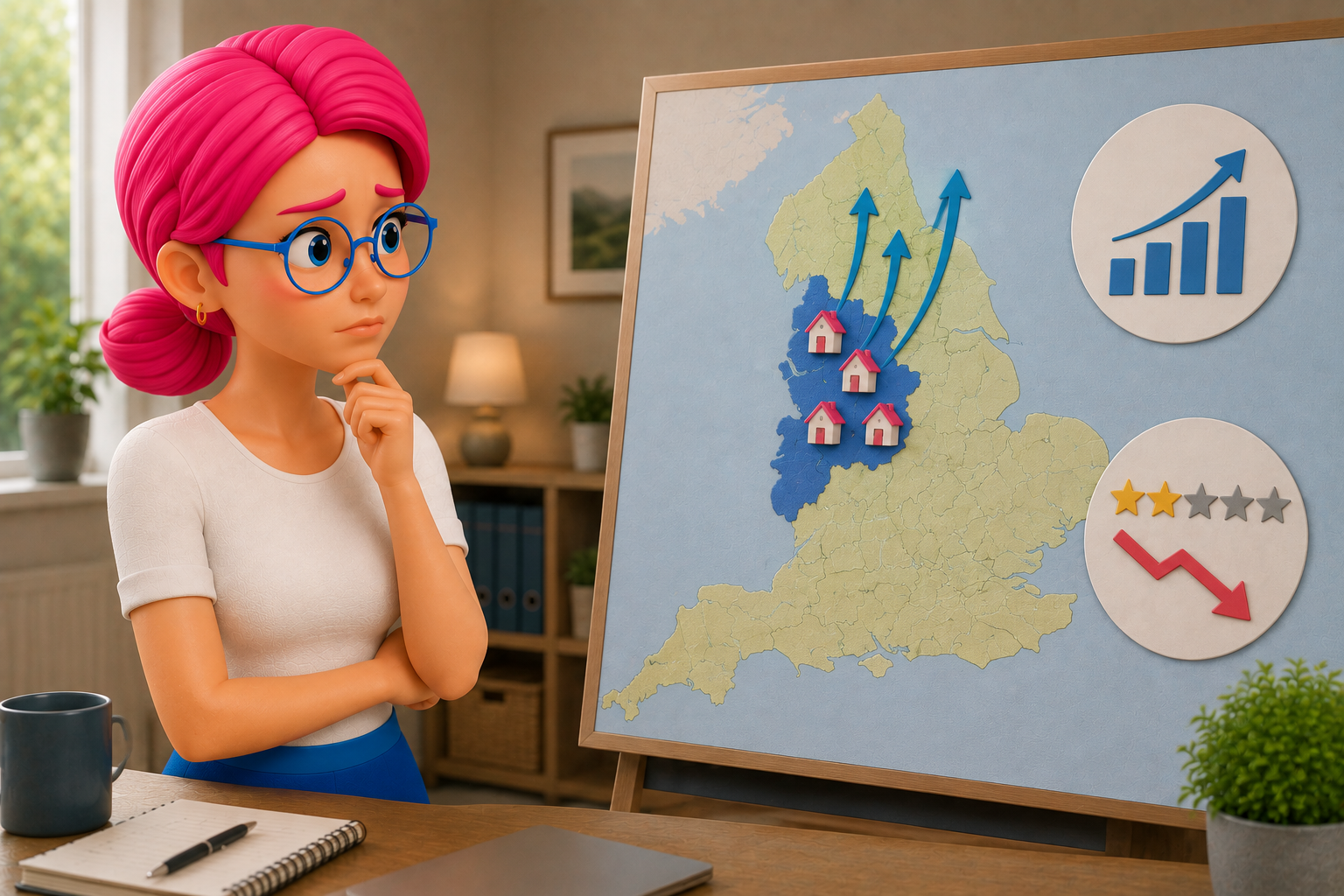
Senior leaders need to compare homes and supported accommodation sites fairly and quickly. They should be able to see trends, exceptions, and risk areas across the group without forcing each manager to build manual reports. At the same time, managers need to drill down into the detail behind the numbers. A spike in incidents means very little without context.
A platform that handles this well lets you move from the headline view to the underlying records in a few clicks. You can see what is happening across the organisation and then understand why it is happening in one particular home.
Consistent Recording Standards Across All Sites
If every home or supported accommodation service records similar events in different ways, comparison becomes unreliable. One site may log concerns diligently while another under-records because staff are unclear on process. That creates false reassurance and muddled management decisions.
A well-built platform helps standardise recording across services. This is not about stripping away professional judgement. It is about making sure the essentials are captured consistently so reports are meaningful, defensible, and inspection-ready - whether Ofsted is inspecting a children's home under the Children's Homes Regulations or a supported accommodation service under the separate supported accommodation framework.
Real-Time Alerts And Overdue Actions
Reporting should not only look backwards. In a busy multi-home organisation, leaders need to know where action is drifting now, not weeks later. Overdue tasks, incomplete investigations, expiring training, late supervisions, and recurring patterns of concern should be visible early.
That early visibility is often what turns chaos into calm. Instead of finding issues retrospectively in an audit, you can intervene while there is still time to put things right.
Multi Home Reporting And Ofsted Readiness
Inspection pressure changes the way providers think about data. It is not enough to say systems are in place. You need to show what is happening, who followed up, how quickly concerns were acted on, and whether leaders have proper oversight across homes and supported accommodation services.
Multi home care reporting software can support this directly. It creates a clearer line between recording, management review, and organisational accountability. When information is centralised and role-specific, managers are not scrambling to assemble evidence from scattered files. Responsible individuals and directors can see whether checks are happening, whether homes are completing core tasks, and whether recurring concerns are being addressed.
That said, software does not create compliance on its own. It supports it. If the culture in a home is weak, poor practice will still need leadership attention. The right system helps you spot that reality sooner and respond with more confidence.
What Different Roles Need From Reporting
One of the biggest mistakes providers make is choosing software based on a senior leadership demo alone. Reporting only works when it makes life easier for the people entering the information as well as the people reviewing it.
When those needs are aligned, reporting becomes part of the operational rhythm rather than an extra burden.
Questions Worth Asking Before You Choose A System
Not every provider needs exactly the same setup. A two-home group with plans to expand will have different priorities from an established organisation running ten or twenty homes and supported accommodation services. Even so, these are worth asking.
- Can you view all homes and supported accommodation sites in one place while filtering by service, date range, incident type, or staff member?
- Can managers track overdue actions without relying on separate spreadsheets?
- Does the software reflect children's home and supported accommodation workflows, or has it been adapted from another care setting?
- Can senior leaders see trends in real time across both residential and supported accommodation services?
- Will staff use it properly under pressure? Usability is not a soft issue. It directly affects data quality and oversight.
The Longer-Term Value Of Getting Reporting Right
Better reporting changes more than administration. Managers come to meetings with clearer evidence. Leaders spend less time chasing information and more time making decisions. Concerns are picked up earlier. Patterns across homes and supported accommodation services become easier to spot. Support can be targeted where it is genuinely needed.
There is also a commercial reality. As organisations grow, manual reporting becomes expensive, inconsistent, and risky. Time spent compiling information by hand is time not spent on coaching staff, improving practice, or strengthening care delivery. Well-designed children's homes management software creates that headroom.
For providers expanding from children's homes into supported accommodation, or running both simultaneously, reporting that spans both service types is particularly valuable. Young people transitioning from residential care into supported accommodation need continuity of oversight - and so do the organisations responsible for them.
Multi home care reporting software will not replace good leadership, thoughtful management, or strong care practice. What it can do is hold your hand every step of the way when the operational picture gets more complex. And in a sector where clarity matters, that kind of support is worth taking seriously.
Frequently Asked Questions
It should help frontline staff record clearly, help managers spot issues early, and help senior leaders see patterns across homes and supported accommodation sites without waiting for a monthly meeting. Incidents, safeguarding concerns, supervisions, training, medication activity and daily recordings should all feed one coherent picture of how each service is functioning.
A general reporting platform may show that incidents have increased, but it may not help you understand whether that is linked to staffing gaps, patterns in individual young people's needs, incomplete follow-up actions, or inconsistent recording between services. Generic tools count events without reflecting the safeguarding and regulatory context behind them.
Can you view all homes and supported accommodation sites in one place? Can managers track overdue actions without spreadsheets? Does the software reflect residential and supported accommodation workflows? Can senior leaders see trends in real time? And will staff use it properly under pressure? Usability directly affects data quality and oversight.
It creates a clearer line between recording, management review and organisational accountability. Responsible individuals and directors can see whether checks are happening, whether services are completing core tasks, and whether recurring concerns are being addressed - across children's homes and supported accommodation services regulated under separate but connected frameworks.