52% of England's Children's Home Providers Run a Single Home
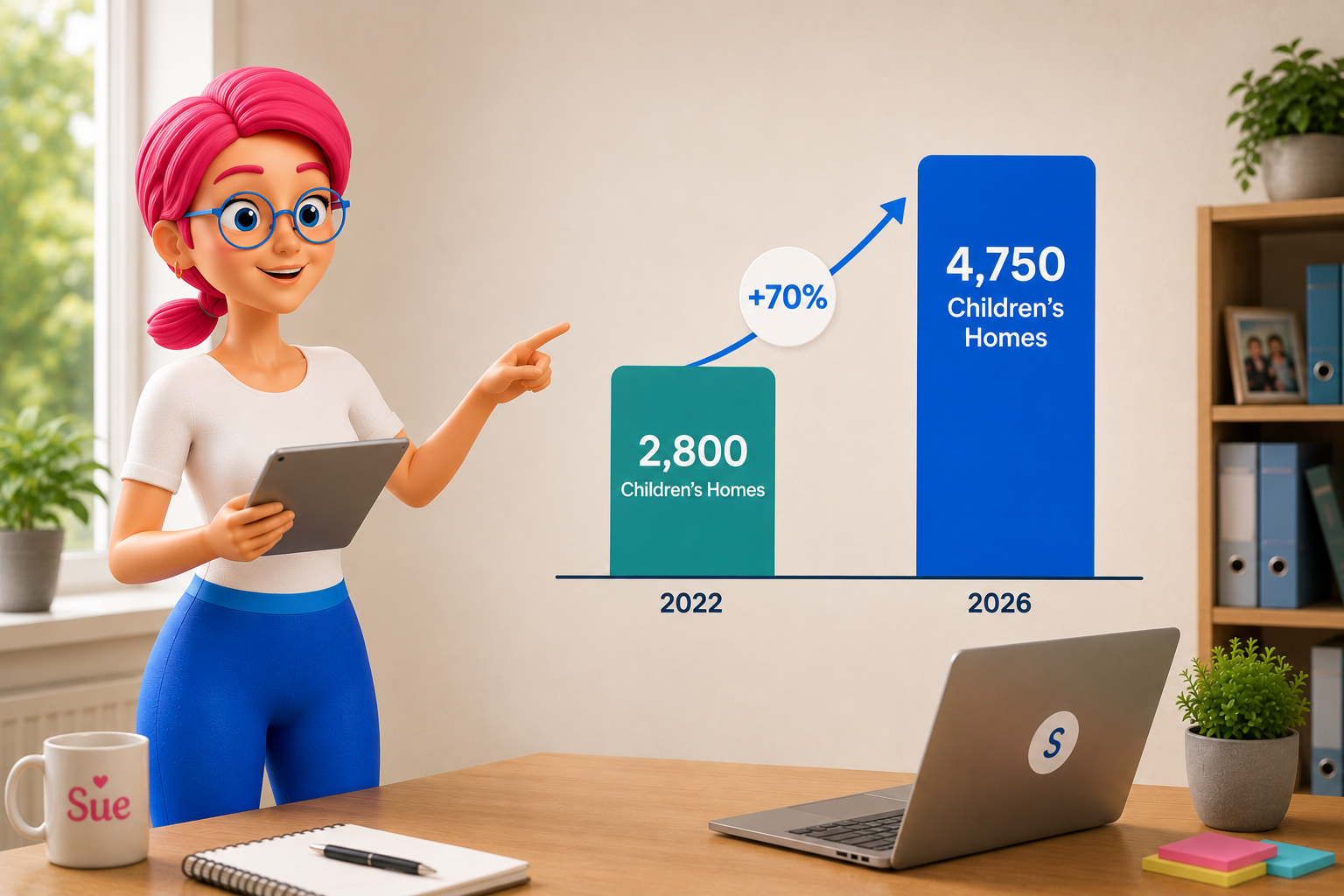
England's 4,750 children's homes are run by around 1,649 different organisations. More than half of them, roughly 854, run a single home, and many are new to the sector. A wave of first-time operators has opened homes to meet rising demand. For those providers, the care is often the easy part. The harder part is proving it, consistently, from the very first inspection.
When Ofsted published its Children's social care in England 2026 data, the headline was the growth. Look underneath it and the shape of the market is just as striking. This is not a sector of a few large chains. It is a long tail of small, often brand new providers, sitting alongside a handful of big groups. We set out the full breakdown in our analysis of the Ofsted children's homes data. At Sue Solutions we build children's homes management software, and a growing share of the people we talk to are opening their first home, so this pattern is one we see every week.
A Market Split Between The Very Small And The Very Large
The ownership data shows a sector pulled towards two ends. On one side, a large number of organisations run just one home each. On the other, a small number of groups run many. There is not much in between.
Around 854 organisations run a single children's home. That is more than half of every provider in England.
Most of the new supply is private and small. Of the homes registered in the latest year, the large majority were opened by private providers, and new homes are smaller on average than the existing stock. The Children's Homes Association has described much of this growth as coming from providers new to the sector. It is worth being fair about what that means. As Community Care reported, the association points out that many of these are small, practitioner-run homes on modest margins, not faceless investment vehicles. A first-time operator is often someone who has worked in care for years and decided to open a home of their own.
Why Being New Is Harder Than It Looks
The difficulty for a first-time operator is not usually the care. Many come from the frontline and know exactly what good care looks like. The difficulty is that a brand new single home carries the same regulatory weight as a home inside a hundred-strong group, and has to carry it alone.
The same Children's Homes Regulations 2015 apply. The same nine Quality Standards are inspected. The registered manager needs the Level 5 Diploma in Leadership and Management for Residential Childcare, or to be working toward it. Safer recruitment, DBS checks and training records all have to be complete and accessible before anyone starts. And because Ofsted inspects newly registered homes early and without warning, there is no long grace period in which to get the recording right. A first-time operator is tested sooner than an established one, not later.
That is a lot to hold in your head while also settling a new team, welcoming the first young people and keeping the home running. The parts that tend to slip are not the care itself but the evidence of it.
- Records get written up at the end of the week rather than close to the event, so the detail fades
- Training, DBS and supervision dates live in someone's inbox rather than a system that flags what is due
- The registered manager holds the whole picture personally, so cover is fragile when they are away
- Preparing for the first inspection means assembling evidence by hand rather than having it ready
Being new is not a weakness. Being disorganised is the risk. Inspectors do not mark a home down for being recently registered. They look at whether the care is understood, recorded and overseen. A small new home with clear systems can evidence that just as well as a large group, sometimes better.
What To Get Right From Day One
The single most useful thing a first-time operator can do is decide, before the first young person arrives, how the home will record and review care. Not the policies alone, but the practical routines. Where daily logs live, how incidents link to plans, who checks what each week, and how the registered manager keeps oversight visible rather than carrying it in their head.
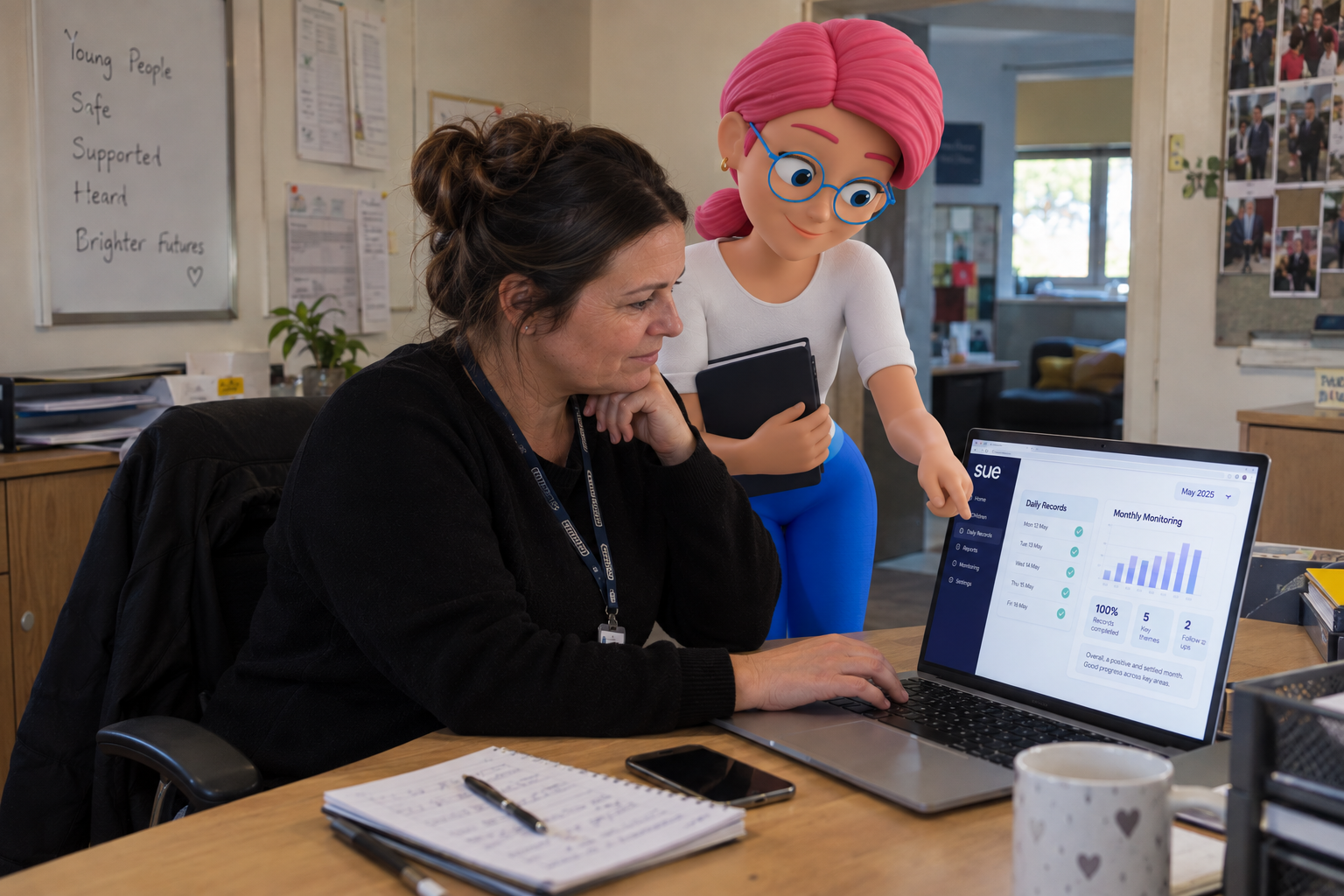
This is exactly where a system built for the sector earns its place. Generic tools and spreadsheets can look fine at first, then buckle the moment an inspector asks to follow one child's experience across the record. Sector-specific children's homes management software reflects the language and workflows of residential childcare, prompts for what a record needs, keeps training and compliance visible, and gives a new manager a live picture of the home rather than an end-of-week reconstruction. If the plan is to grow beyond the first home later, choosing something that already scales avoids starting again, a point we cover in single home versus multi home systems.
None of this replaces the judgement of an experienced carer. It supports it. For a first-time operator, that support is the difference between spending the first year building a home and spending it firefighting paperwork. The 854 providers running their first home are exactly who the sector needs to succeed. Getting the structure right early is how they do.
Frequently Asked Questions
According to Ofsted's Children's social care in England 2026 data, the country's 4,747 mainstream children's homes are run by around 1,649 different organisations, and roughly 854 of them run a single home. That is about half of all providers. At the other end of the market a small number of large groups run dozens of homes each, with the biggest running well over a hundred.
It is demanding but achievable, and many people do it well. The main challenges are meeting the registration requirements, recruiting a registered manager who holds or is working toward the Level 5 Diploma, and having systems in place to evidence care and oversight from the first inspection. A newly registered home is usually inspected within its first months, so being ready from day one matters more than for an established provider.
Yes. Ofsted inspects newly registered children's homes relatively early in their life, and all inspections are unannounced. That means a first-time operator cannot rely on a long settling-in period before the records and practice are tested. Building clear recording and oversight into the home from the start is the most reliable way to be ready.
The recording and oversight load. Delivering good care is what most new providers focus on, and rightly so, but the regulations also require that care to be evidenced consistently, shift after shift, and reviewed by leadership. New operators often underestimate how much of that depends on having a system rather than relying on one person to hold it all together. Getting that structure in early prevents a scramble before the first inspection.