Single Home vs Multi Home Systems Compared
A single home system is built around one service and its daily recording, while a multi home system does the same at home level but adds central reporting and oversight across a whole group. If you run one home with no plans to grow, a single home setup can be enough. If you already run several, or growth is part of your plan, a multi home system is usually the stronger long-term decision. The real difference is structure, not just scale.
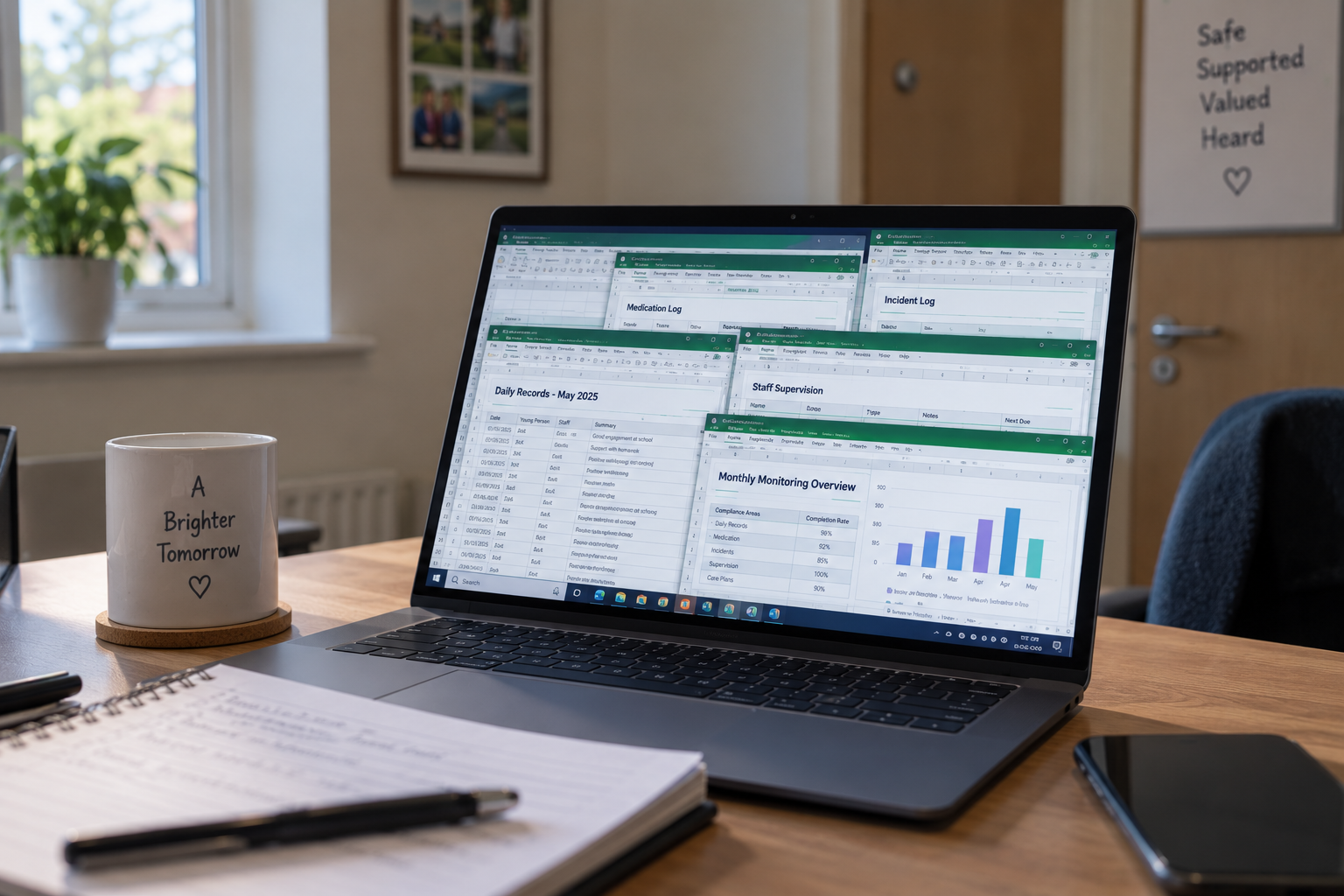
When a provider starts weighing up single home against multi home systems, the question is rarely only about software. It is usually about pressure. A registered manager is trying to keep records tight, a director wants clearer oversight, and the organisation feels the strain of running essential tasks through spreadsheets, messages and disconnected tools. The choice you make shapes how well teams communicate, how quickly leaders spot risk, and how confidently you stay inspection-ready without burying staff in admin.
What Single Home vs Multi Home Systems Really Means
A single home system is designed around one home operating as one unit. It supports day-to-day recording, staff workflows, incident logging, reporting and compliance activity within that individual service. For a standalone home, that can feel straightforward and manageable.
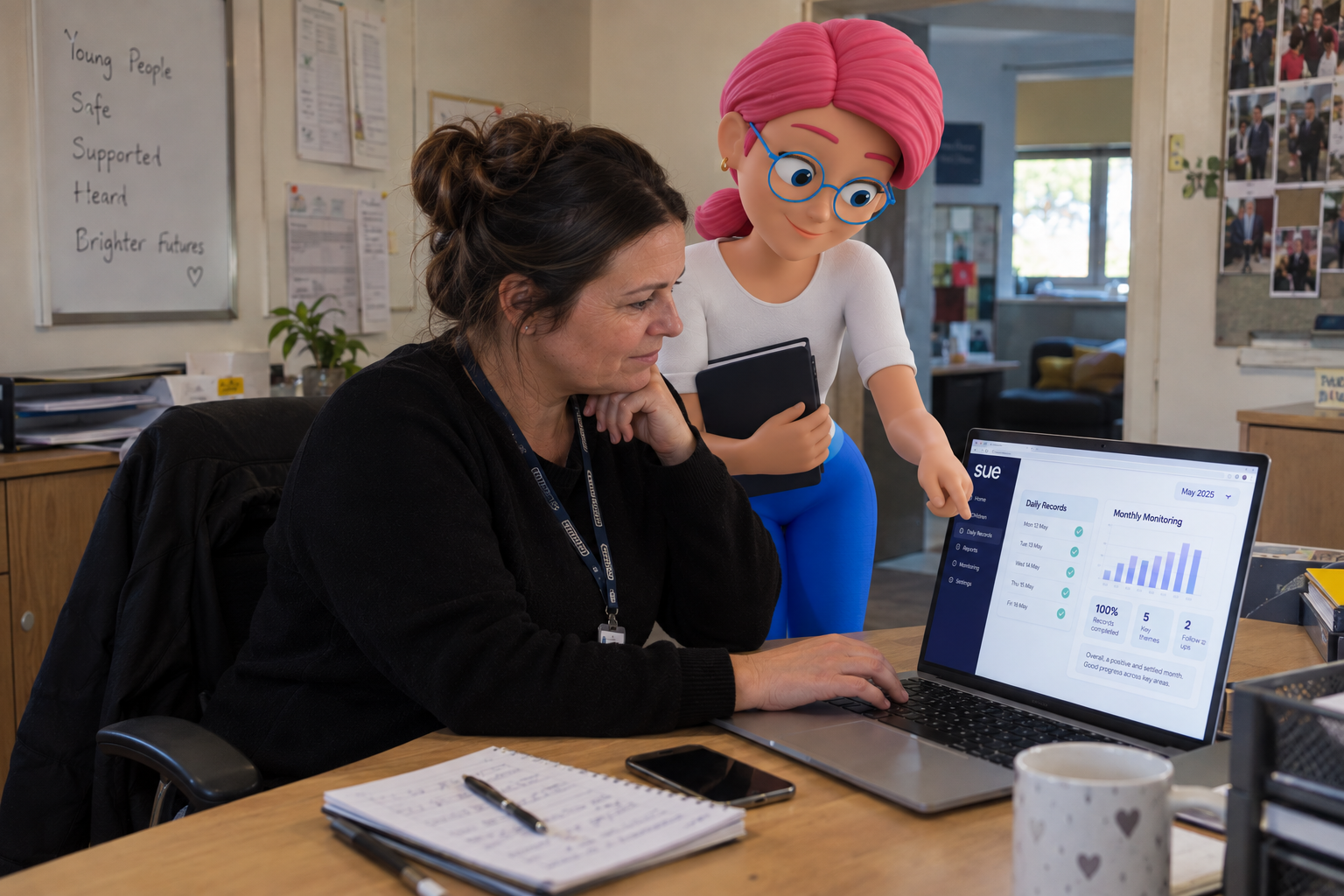
A multi home system is built for providers running more than one setting, or planning to grow. It still needs to work well at home level, because that is where care happens, but it also gives senior leaders visibility across the wider group. That means central reporting, cross-home oversight, role-based access, standardised processes and a clearer view of trends, exceptions and performance. One system supports one operational environment. The other supports consistency and control across several.
One system helps you run a home. The other helps you govern a group of them.
Single Home vs Multi Home Systems At A Glance
The two are easiest to weigh up side by side. This is how they tend to compare across the things providers care about most.
| What you need | Single home system | Multi home system |
|---|---|---|
| Daily recording | Strong within one service | Strong within each home, shared standards across all |
| Leadership oversight | Local, close to the home | Central view across every service |
| Compliance monitoring | Depends heavily on local leadership | Framework shows overdue actions and gaps across homes |
| Consistency of practice | One team, one way of working | Standardised processes with room for each home |
| Spotting patterns | Visible inside one service only | Trends and exceptions surface across the group |
| Cover and succession | Harder when a manager is absent | Another leader can step in and see the position |
| Best fit | One home, no near-term growth | Several homes, or growth on the horizon |
When Does A Single Home System Make Sense
For a newly opened children's home, a single home system can be a sensible starting point. Where there is one registered manager, one staff team and one service to monitor, a simpler setup is easier to adopt. It reduces early complexity and gives the team a focused way to record and manage core tasks.
This works particularly well where leadership sits close to the daily running of the home. If the owner, manager and responsible individual are all deeply involved in the same service, they may not yet need group-wide dashboards or the ability to compare patterns between homes. Their immediate concern is getting one service stable, compliant and well organised, and there is a real cost and change-management argument for not buying every layer of functionality on day one.
The limit shows up quickly if growth is on the horizon. What feels simple at one home can become fragmented at two, which is worth holding in mind even while a single home setup is doing the job.
The Trade Offs Of Single Home Systems
The main challenge with single home systems is that they reflect the boundaries of one service. That is fine until leaders need a joined-up picture. Open a second home and you can find yourself switching between separate records, different reporting styles and inconsistent ways of working. One manager may be excellent at incident logging while another structures notes differently, and leadership ends up spending valuable time pulling information together by hand just to understand what is happening across the group.
That creates risk in quiet ways. Not because people are doing the wrong thing, but because visibility becomes patchy. Training gaps, safeguarding concerns, missing actions or repeated incidents can sit inside separate silos for too long, which is an uncomfortable position in a regulated environment.
Single home systems can also make cover and support harder. If one manager is away, how easily can another leader step in and understand the position? Clear handover records help here, but only if they sit somewhere the next leader can reach without digging. If a director wants to review oversight across homes, how much admin comes first? When systems are not built to connect, the burden falls back on people, usually the ones who already have the least spare time.
Why Multi Home Systems Matter As Providers Grow
Growth in children's residential care is rarely tidy. A provider may start with one good home, then open a second, take on another service, or begin building a wider group. At that point the conversation about multi home systems becomes less about preference and more about operational control.
A well-designed multi home system helps providers set a shared standard for how things are done while respecting that each home has its own young people, team dynamics and daily challenges. That balance matters. You do not want a system that flattens everything into generic process. You want one that supports frontline work while giving leadership the oversight they are accountable for.
Central visibility is where it earns its place. Directors and responsible individuals can watch patterns across homes rather than waiting for monthly summaries or piecing updates together through email trails. Registered managers can benchmark activity, spot recurring issues and keep hold of tasks before they become inspection-day problems. Care teams feel it too, because information is clearer and handovers are stronger. In practical terms, a multi home system makes it easier to manage incidents, audits, staff performance, training compliance and reporting across a group, which lowers the chance that something important is missed because it lived in the wrong place or reached the wrong person too late.
Single Home vs Multi Home Systems For Compliance And Oversight
Compliance in this sector is not an add-on. It sits in the middle of everyday operations, so the two options are worth judging partly on how they support accountability. With a single home setup, compliance monitoring often leans heavily on local leadership. A strong manager can keep things exceptionally well controlled, but the system itself may not give wider stakeholders the reassurance they need unless information is shared manually or reviewed off the platform.
A multi home system gives a firmer framework for oversight. It can show whether key records are completed on time, whether actions are overdue, where incidents are increasing, and which homes may need extra support. For an organisation with several services, that is the difference between finding out early and finding out on inspection day. Under the Children's Homes Regulations 2015, a responsible individual has to satisfy themselves that each home meets the Quality Standards, and doing that across several services by hand becomes hard to sustain.
This is about safeguarding and governance, not surveillance. The point of central oversight is to support homes before pressure turns into drift, and to give a responsible individual the evidence they need to show each service is safe and well led.
How To Choose Between Single Home And Multi Home Systems
The right choice depends on where your organisation is now and where it is realistically heading. If you run one home with no short-term plans to expand, a single home system may be enough, as long as it truly supports the way your team works and does not create extra admin. It should still help you record clearly, track actions reliably and keep good oversight within the service. If you already run several homes, or you know growth is part of the plan, a multi home system is usually the stronger long-term call. It gives you a steadier operational backbone and spares you the pain of outgrowing your setup just as complexity climbs.
One home, staying that way
One registered manager, one team, leadership close to the floor, and no expansion planned in the near term. A focused setup that records well and tracks actions is often all you need, provided it can scale later if that changes.
Several homes, or growth coming
More than one service, a group forming, or acquisition on the cards. Central oversight, standardised recording and cross-home reporting stop being nice extras and start being how you keep control.
It is also worth asking a blunter question. How much of your current workload exists because your systems are doing too little? If managers are duplicating updates, directors are chasing visibility and teams are relying on workarounds, the structure underneath may be holding you back rather than growth itself.
Signs You Have Outgrown A Single Home System
A few patterns tend to show up together when a provider is ready to move. If several of these feel familiar, it is usually time to look at a multi home setup.
- You have opened, or are about to open, a second service
- Leaders pull information together by hand to see across homes
- Homes record the same things in noticeably different ways
- A safeguarding or incident pattern surfaced later than it should have
- Cover is hard because the position lives in one manager's head
- Reporting to commissioners or inspectors takes days of preparation
What To Look For Beyond The Label
Not every multi home system is useful, and not every single home product is too basic. The label alone does not tell you enough. What matters is whether the platform supports the people using it. Care workers need recording to be straightforward and relevant. Managers need tasks, incidents and compliance activity visible without hunting for them. Leaders need a reliable, real-time view across services without asking homes to produce endless reports by hand.
A system that can do that at one home and still scale across several puts you in a much stronger position. The other question underneath all of this is whether the platform understands children's residential care at all. Generic platforms often look fine in a demo but miss the role-specific pressures that shape daily work in this sector, which is where sector-specific software makes the difference. Sue Solutions, for one, is built around those exact demands, from frontline recording through to group-level oversight across children's residential homes and supported accommodation.
Whichever way you lean, the right choice should leave your team with less chasing, less uncertainty and more room to focus on the young people in their care. That is the test worth applying to any system, at one home or twenty. For providers already running a group, our multi home reporting tools are a good place to see how that works.
Frequently Asked Questions
A single home system is built around one service, supporting daily recording, incidents, reporting and compliance within that home. A multi home system does all of that at home level too, but adds central reporting, cross-home oversight, role-based access and standardised processes so leaders can see patterns and performance across a whole group. The real difference is structure, not just scale.
Usually at the point growth is real or planned, rather than after it has already caused problems. If you are opening a second home, chasing updates by email, or a director is spending time manually pulling information together to see across services, those are signs a single home setup is starting to hold you back. Moving before that pressure peaks avoids a difficult migration later.
It can be, if there are no short-term plans to expand and the system genuinely supports how the team works. For one registered manager, one team and one service, a simpler setup can reduce early complexity. The thing to check is whether the same platform can scale with you, so a second home does not mean starting again.
They give leaders a framework for oversight rather than relying on local leadership and manual sharing. A multi home system can show whether key records are completed on time, whether actions are overdue, where incidents are rising and which homes may need extra support. For a responsible individual accountable across several services, that visibility is central to evidencing quality.
It should not. A well-designed multi home system still has to work at home level, because that is where care happens. The aim is to support frontline recording and shift work while giving leadership the group-level view they are accountable for, without flattening every home into the same generic process.