1 in 7 of England's Children's Homes Aren't Rated Good
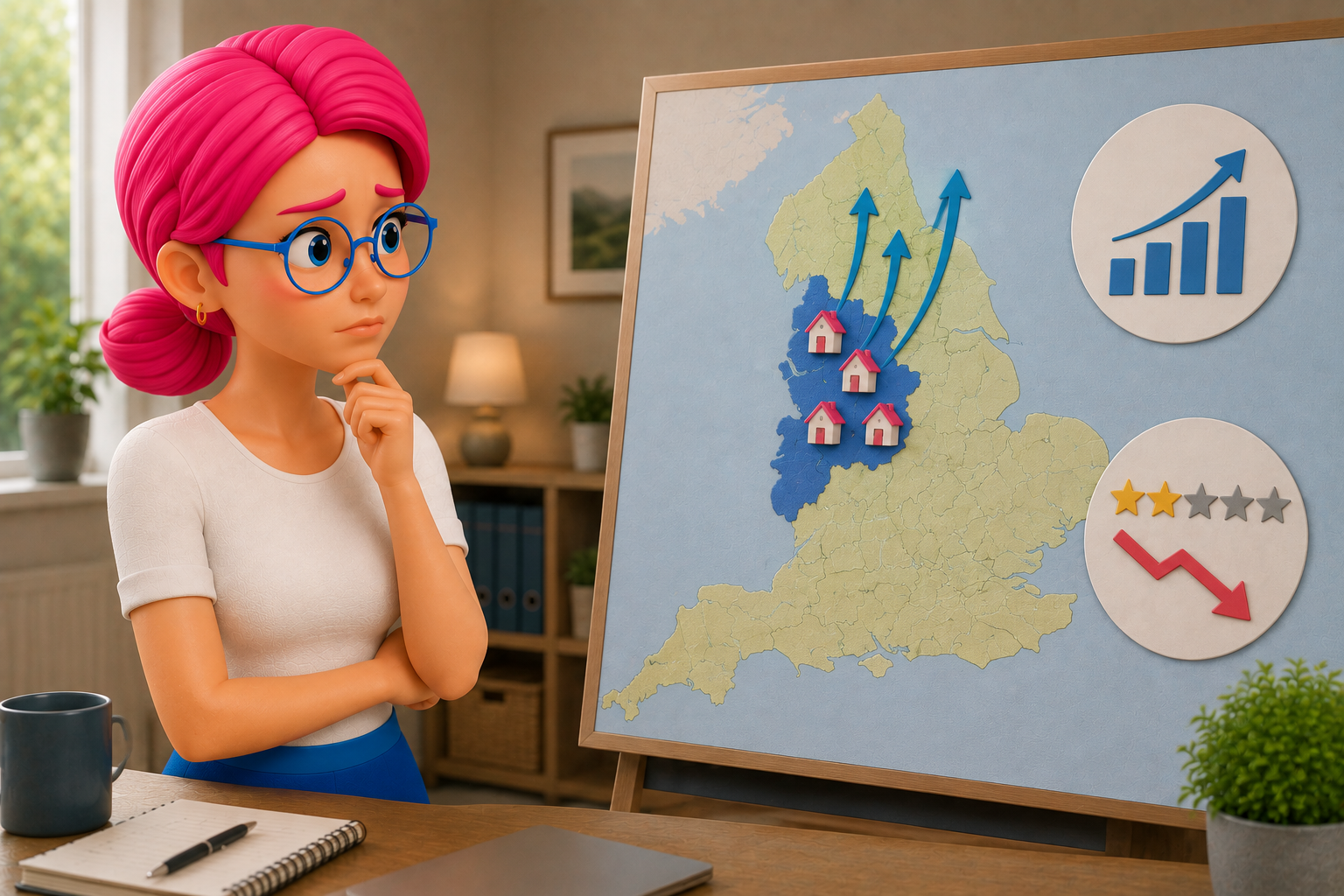
Around 85% of England's children's homes are rated good or outstanding. That leaves roughly 1 in 7, about 626 homes, rated below good. It sounds alarming, and the headline will be read that way. The fuller picture is more reassuring and more useful. Most of those homes are requires improvement, not inadequate, and the line between good and not good usually comes down to whether a home can evidence its care, not whether the care is there.
When Ofsted published its Children's social care in England 2026 data, the quality figures held steady even as the sector grew fast. We set the numbers out in full in our analysis of the Ofsted children's homes data. At Sue Solutions we build children's homes management software, so we spend our time with homes on both sides of that line, and the difference between them is more instructive than the headline number.
What The 1 In 7 Figure Actually Contains
The below good group is not one thing. It is mostly homes that are requires improvement, with a much smaller number rated inadequate. Reading the two together as if they were the same is where the headline misleads.
| Rating | Roughly | What it means |
|---|---|---|
| Outstanding | 512 homes | Exceptional care and progress |
| Good | 3,167 homes | The benchmark every child should expect |
| Requires improvement | 554 homes | Not yet good, not unsafe, must improve |
| Inadequate | 72 homes | Serious concerns, strongest follow-up |
So of the roughly 626 homes below good, the large majority are requires improvement. Only around 72, about one in sixty of all rated homes, are inadequate. That is a very different story from one in seven homes failing children.
Below good does not mean unsafe. Most of it means not yet good, with a clear route back.
Good Is A High Bar, Set On Purpose
Part of what the figure reflects is how demanding the good standard is. Ofsted sets good as the benchmark and the minimum every child should expect, not as a comfortable middle. The grade that sits below it, requires improvement to be good, replaced the older adequate judgement precisely to raise expectations. A home rated requires improvement is being held to a rising bar, and it keeps operating while it works to meet it, with a full follow-up inspection within twelve months.
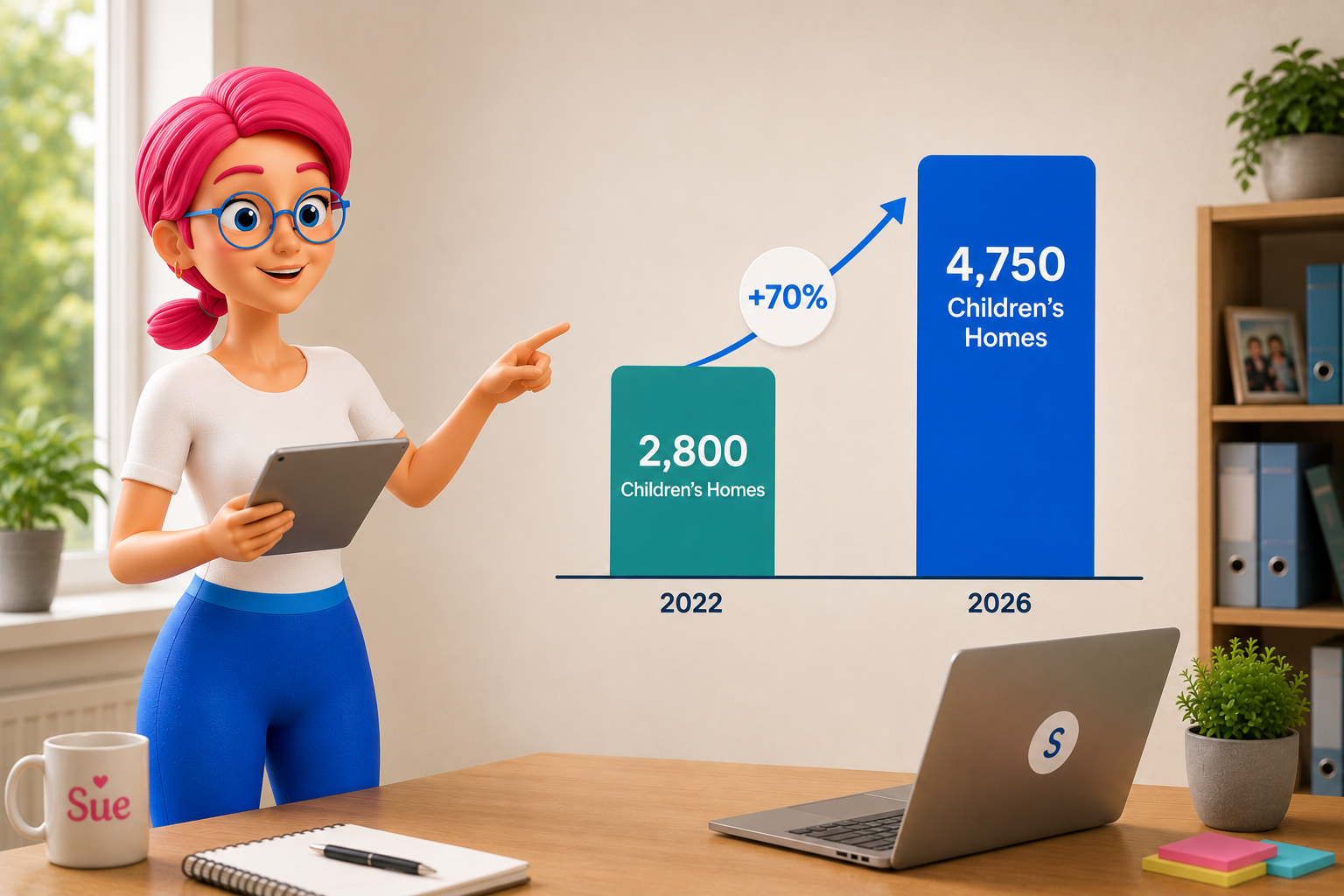
That matters for how the number should be read. A sector where 85% of homes clear a deliberately high bar, while numbers have grown by 70% in five years, is not a sector in freefall. It is one holding its quality broadly steady under real strain, which is a more accurate and less frightening way to see it.
The honest reading is strain, not failure. The sector has grown fast, much of it from providers new to it, and yet the good or outstanding rate has held. The homes that slip are usually not the ones that care badly. They are the ones whose systems have not kept pace with the demands of a tougher inspection regime.
What Actually Separates Good From Requires Improvement
Spend time with homes on both sides of the line and a pattern emerges. It is rarely the warmth of the care or the commitment of the staff that differs. It is whether the home can show its work. A home can look after children well and still land at requires improvement if the record does not evidence it, if oversight is patchy, or if actions are raised and never closed.
Inspectors under the current framework case-track individual children and check that the records, staff practice and the child's own account all tell the same story. A home rated good can produce that clear thread on any ordinary day, because recording and oversight are part of how it runs. A home that requires improvement often cares just as much but records unevenly, so the evidence lags behind the practice and the thread breaks.
- Records are written up late, so detail and the child's voice fade before they are captured
- Actions from incidents or reviews are raised but not clearly closed out
- Leadership oversight happens but is not visible in the record an inspector reads
- Care plans, risk assessments and daily logs drift out of step with each other
Staying On The Right Side Of The Line
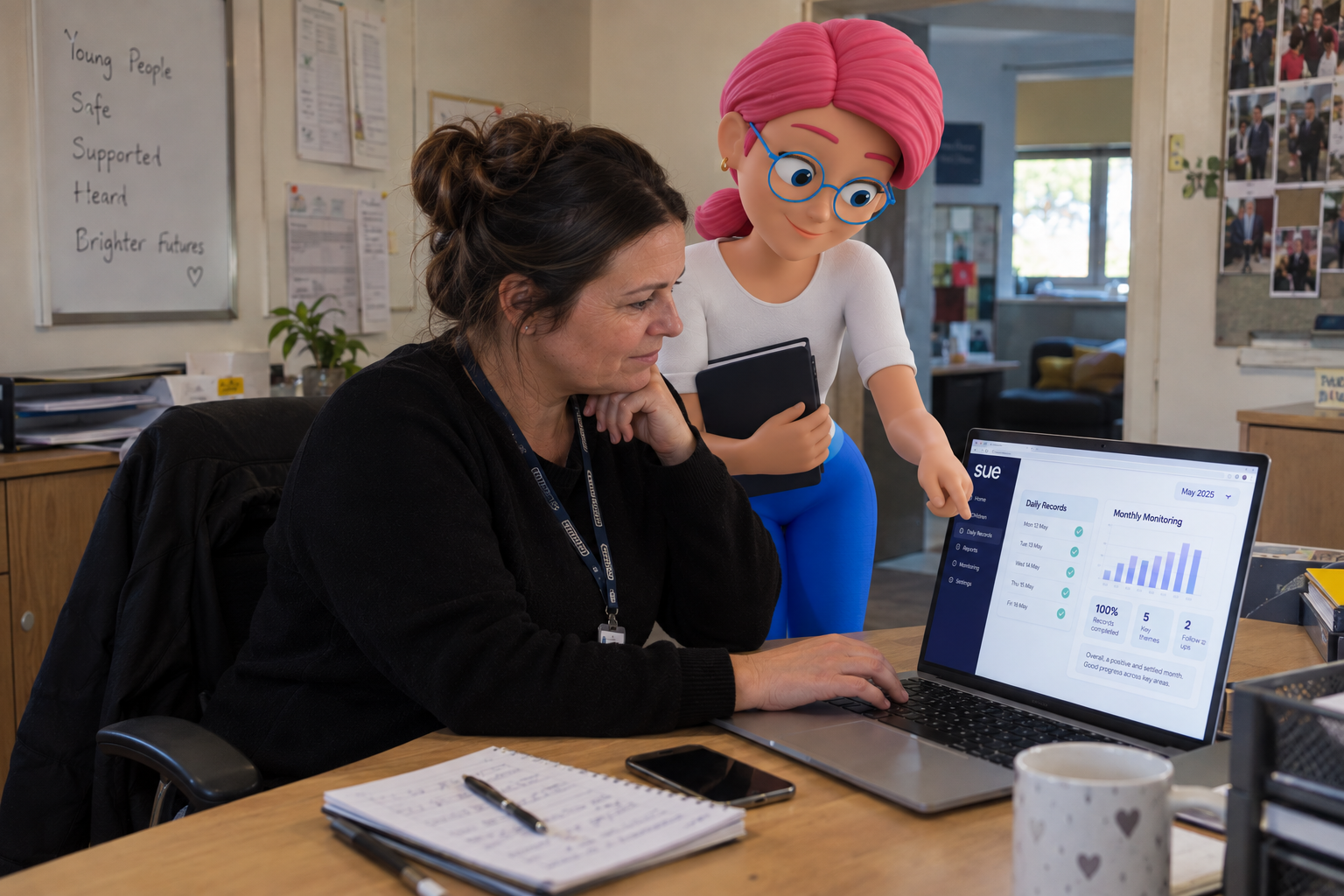
None of those gaps is about the quality of care. They are about whether good practice is captured consistently, shift after shift, and reviewed by leaders in a way an inspector can see. That is exactly what a sector-specific system is built to support. It cannot manufacture quality that is not there, and it should never try to. What it can do is make good recording the path of least resistance, so strong practice shows up clearly in the file.
Good children's homes management software prompts for what a record needs, keeps the evidence inspectors look for current, links incidents back to plans and closes the loop on actions, and gives a manager a live view of where oversight is slipping while there is still time to act. For a home working its way back to good after a requires improvement grade, that visible, connected record is often the difference at the follow-up inspection. The care was usually there all along. The system is what lets it show.
One in seven homes below good is a real number worth taking seriously. Read properly, it is a story about a sector under pressure and about the quiet, unglamorous discipline of evidencing good care, not about children being let down.
Frequently Asked Questions
Around 85% of England's rated children's homes are good or outstanding, according to Ofsted's Children's social care in England 2026 data. Of roughly 4,305 homes with a published rating, about 512 were outstanding and 3,167 good. The remaining 15%, around 626 homes, were rated below good. That share has held broadly steady even as the number of homes has grown quickly.
It means a home is not yet meeting the good standard but is not unsafe. Requires improvement replaced the old adequate grade, and good is set deliberately high as the benchmark every child should expect. A requires improvement home keeps operating, receives a full follow-up inspection within twelve months, and is expected to act on what inspectors found. It is a signal to improve, not a judgement that children are being failed.
Far fewer than the below good figure suggests. Of the roughly 626 homes rated below good, only around 72 were inadequate, which is about one in sixty of all rated homes. Most homes below good are requires improvement rather than inadequate. Inadequate is the grade that triggers the most serious follow-up, and it applies to a small minority.
Rarely the quality of the care itself, and more often whether the home can evidence it consistently. Inspectors look for a clear thread showing what happened, why decisions were made and how each child experienced their care, backed by leadership oversight. Homes that slip to requires improvement often care well but record and review unevenly, so the evidence does not keep pace with the practice. Consistent recording and visible oversight are usually what hold a home on the right side of the line.