What Are The Different Types Of Children's Care In The UK?
There are four broad types of children's care in the UK. Childcare providers, such as childminders, nurseries and playgroups, care for children during the day while their parents keep full responsibility for them. Foster and kinship care give looked-after children a family home when they cannot live with their parents. Residential children's homes provide registered, round-the-clock care in a staffed home, and supported accommodation offers support, not care, to 16 and 17 year olds moving towards independence. Who regulates each one depends on the type of setting and on which of the four UK nations you live in.
The language gets used loosely. A news story about funded nursery places and an inspection report on a children's home might both talk about care for children, but they describe very different things, with different laws, different inspectors and very different records. This guide takes each setting in turn, starting with the one most families use and finishing with the one Sue Solutions works in every day.
Childcare Providers And Early Years Settings
Childcare providers look after children for part of the day or week while parents work, study or train. The child lives at home and the parents keep full parental responsibility. That one fact is what separates childcare from children's social care, and it shapes everything else about how these settings are run.
The main types of childcare provider are these.
- Childminders care for a small number of children in their own home, often across a range of ages.
- Day nurseries offer full or part-time care and early education, usually from birth to five.
- Pre-schools and playgroups, often run by voluntary committees, offer shorter sessions for children from around two.
- In Wales, cylchoedd meithrin offer Welsh-medium early years sessions.
- Breakfast, after-school and holiday clubs look after school-age children outside school hours.
Much of this care is now part-funded by government. In England, Ofsted's childcare statistics show 59,700 registered childcare providers as at 31 March 2026, offering 1.31 million places on the Early Years Register. In Wales, the Flying Start programme is extending 12.5 hours a week of funded childcare to every two-year-old, and the Welsh Government says all 22 councils are on track to offer it by 31 March 2027. In Flintshire, for example, those funded hours can only be used at registered providers approved for Flying Start, a group that includes childminders, cylchoedd, private nurseries and playgroups.
Registered childcare providers work to an early years framework. In England that is the Early Years Foundation Stage, which sets standards for learning, development, safeguarding and welfare from birth to five. In Wales, providers must meet the National Minimum Standards for Regulated Childcare, which cover children up to the age of 12. Scotland and Northern Ireland each have their own standards again.
Who Regulates Children's Settings Across The Four Nations
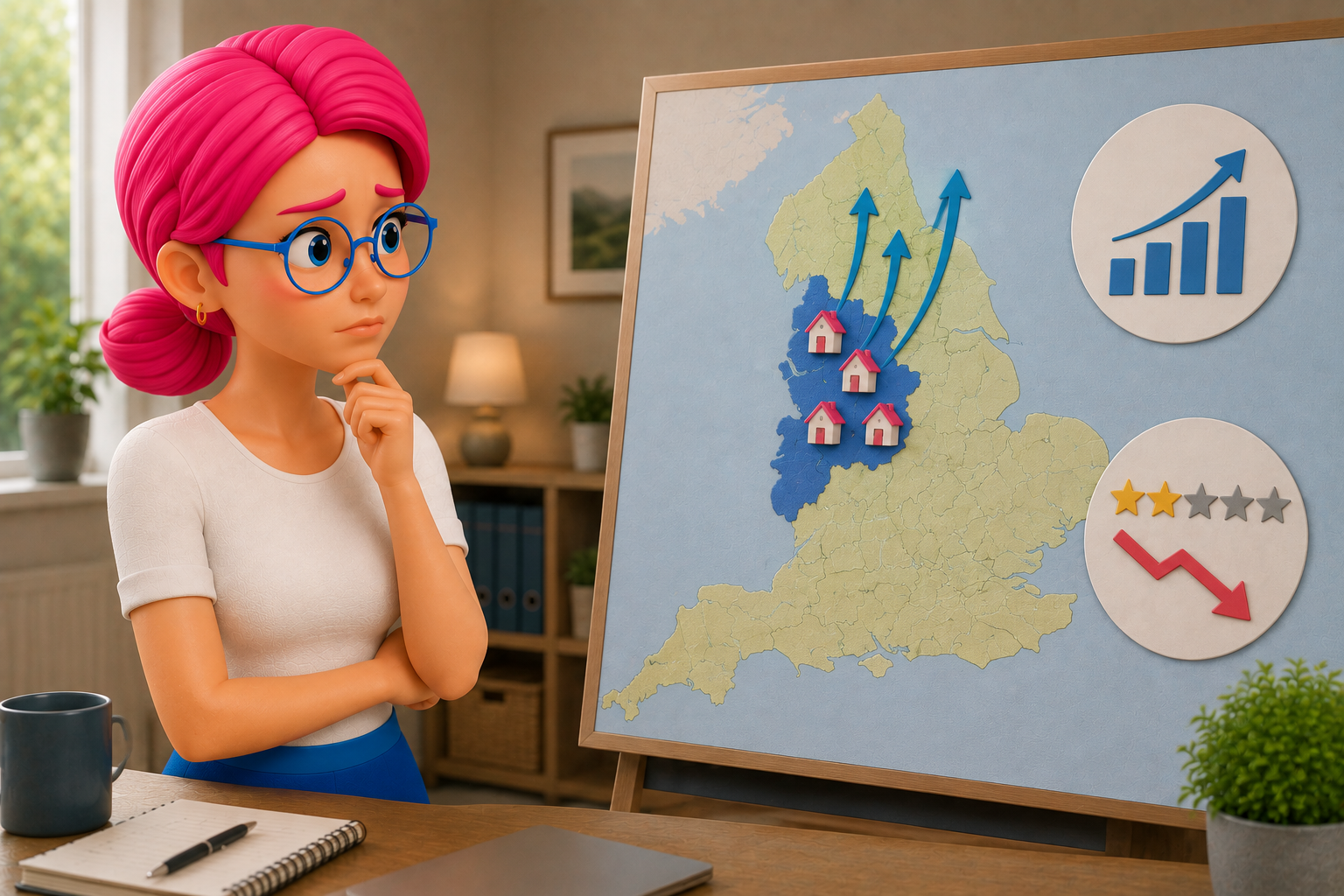
Care and early education are devolved, so there is no single UK regulator. Ofsted inspects in England only. This is who registers and inspects childcare and children's homes in each nation.
| Nation | Childcare providers | Children's homes |
|---|---|---|
| England | Ofsted, against the Early Years Foundation Stage | Ofsted, against the Children's Homes (England) Regulations 2015 |
| Wales | Care Inspectorate Wales, against the National Minimum Standards | Care Inspectorate Wales, under the Regulation and Inspection of Social Care (Wales) Act 2016 |
| Scotland | The Care Inspectorate, with Education Scotland for funded early learning | The Care Inspectorate, against the Health and Social Care Standards |
| Northern Ireland | Early Years Teams in the five Health and Social Care Trusts | The Regulation and Quality Improvement Authority (RQIA) |
So if you live in Flintshire, Wrexham or anywhere else in Wales, a childminder's inspection report comes from CIW, not Ofsted, and the same is true for a children's home. The rest of this guide uses England as its main example, because the figures and regulations below are England's, but the distinctions between settings hold across all four nations.
Foster Care And Kinship Care
When a child cannot safely live at home, the picture changes. The child becomes looked after by the local authority, either with their parents' agreement or through a court order, and the council takes responsibility for where they live and how they are cared for. The Department for Education's looked-after children statistics show 81,770 looked-after children in England as at 31 March 2025, down 2% on the year before.
Childcare supports a family. Children's social care steps in when a family cannot keep a child safe.
Most looked-after children live with foster carers. Foster placements accounted for 54,820 children, or 67% of the total. Foster carers are assessed and approved by a fostering service, either the local authority's own or an independent fostering agency, and it is the service that is regulated. In England, independent fostering agencies register with Ofsted, and council fostering services are inspected as part of Ofsted's inspections of local authority children's services.
Kinship care means a child being raised by a relative or family friend. Some kinship arrangements are formal, such as a grandparent approved as a kinship foster carer or holding a special guardianship order. Many are informal family arrangements that never involve children's services at all. Within foster care alone, almost a quarter of placements are with a relative or friend who is an approved foster carer.
Residential Children's Homes
A children's home is a staffed home, registered with the regulator, where a small group of children and young people live with a team of careworkers around the clock. Most are ordinary houses on ordinary streets. Young people usually live in a children's home because their needs are better met by a skilled staff team than by a family placement, often after trauma, a run of placement breakdowns or where they need specialist support.
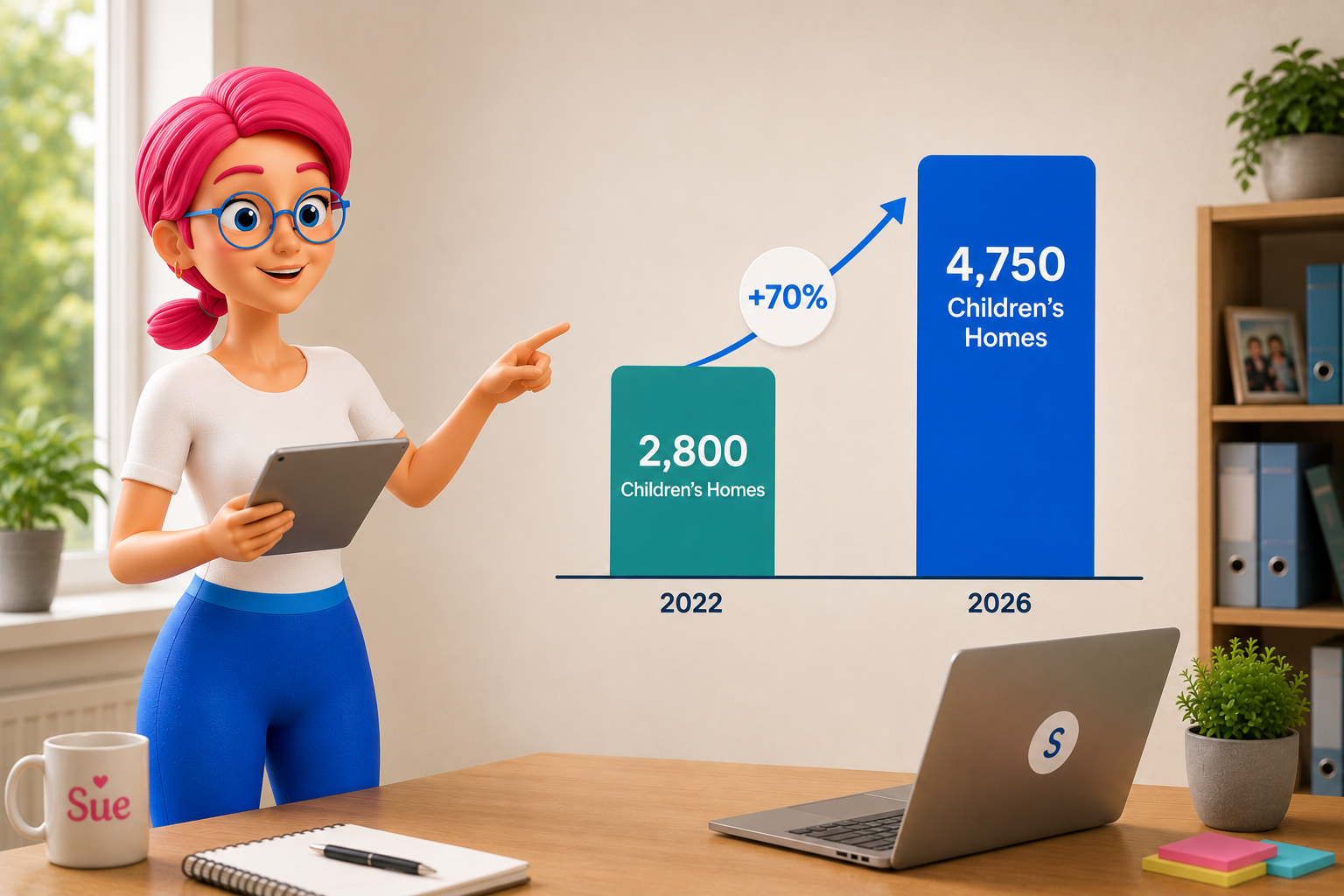
Children's homes cared for 9,480 looked-after children in England as at 31 March 2025, 12% of the total and up 9% on the previous year. The number of homes has grown quickly to match. Ofsted recorded 4,750 children's homes as at 31 March 2026, a 20% rise in a single year and 70% over five years, with an average of three places per home. Our analysis of the Ofsted 2026 data looks at where that growth is happening and how it compares with quality.
In England, every home must meet the Children's Homes Regulations 2015 and the nine Quality Standards they contain, from the quality and purpose of care through to protection of children, leadership and management and care planning. Each home has a registered manager, and the provider appoints a responsible individual to oversee it. Ofsted inspects every home at least once a year under the Social Care Common Inspection Framework.
Supported Accommodation For 16 And 17 Year Olds
Supported accommodation sits between a children's home and independent living. It houses looked-after 16 and 17 year olds and care leavers, and its defining feature is that it provides support, not care. Staff help young people with budgeting, cooking, education and staying safe, but they do not provide the day-to-day care a children's home does. A young person who needs care should be living in a children's home.
Before 2023 this kind of provision was unregulated in England. Under the Supported Accommodation (England) Regulations 2023, every provider must now register with Ofsted and meet four standards covering leadership and management, accommodation, support and protection. Inspection results in one of three outcomes, rather than the four-point grades used for children's homes, and Ofsted's inspection framework for supported accommodation sets out what inspectors look at. As at 31 March 2026 there were 1,220 registered providers running 9,350 premises with 24,700 places, and supported accommodation housed 7,520 looked-after children, 9% of the total, at the last DfE count.
Current at September 2026. Ofsted moved early years providers in England to a four-year inspection window in April 2026, replacing the previous six-year cycle. In Wales, funded childcare for every two-year-old is due to reach all 22 councils by March 2027. Ofsted's inspection of supported accommodation is still building up, with 17% of providers holding a published full inspection outcome as at 31 March 2026.
How Records And Oversight Differ Between Settings
Every registered setting keeps records. What changes as you move from childcare into residential care is how much gets recorded, how often and how many people rely on it. Using England as the example, the difference looks like this.
| What's recorded | Childcare provider | Residential children's home |
|---|---|---|
| Daily records | Attendance and observations of learning and development | Daily logs for each young person, every shift, day and night |
| Incidents | Accidents and incidents, shared with parents the same day | Incident records plus notifications to Ofsted and the placing authority |
| Medication | Parental permission and a record of each dose given | Full medication administration records, often for complex regimes |
| Safeguarding | Concerns logged and referred on by a designated lead | Recording that feeds care plans, risk assessments and missing-from-care work |
| Independent scrutiny | Periodic inspection by the regulator | Monthly Regulation 44 visits, Regulation 45 reviews and yearly inspection |
| Who relies on it | Staff, parents and inspectors | Staff, social workers, placing authorities, inspectors and the young person later in life |
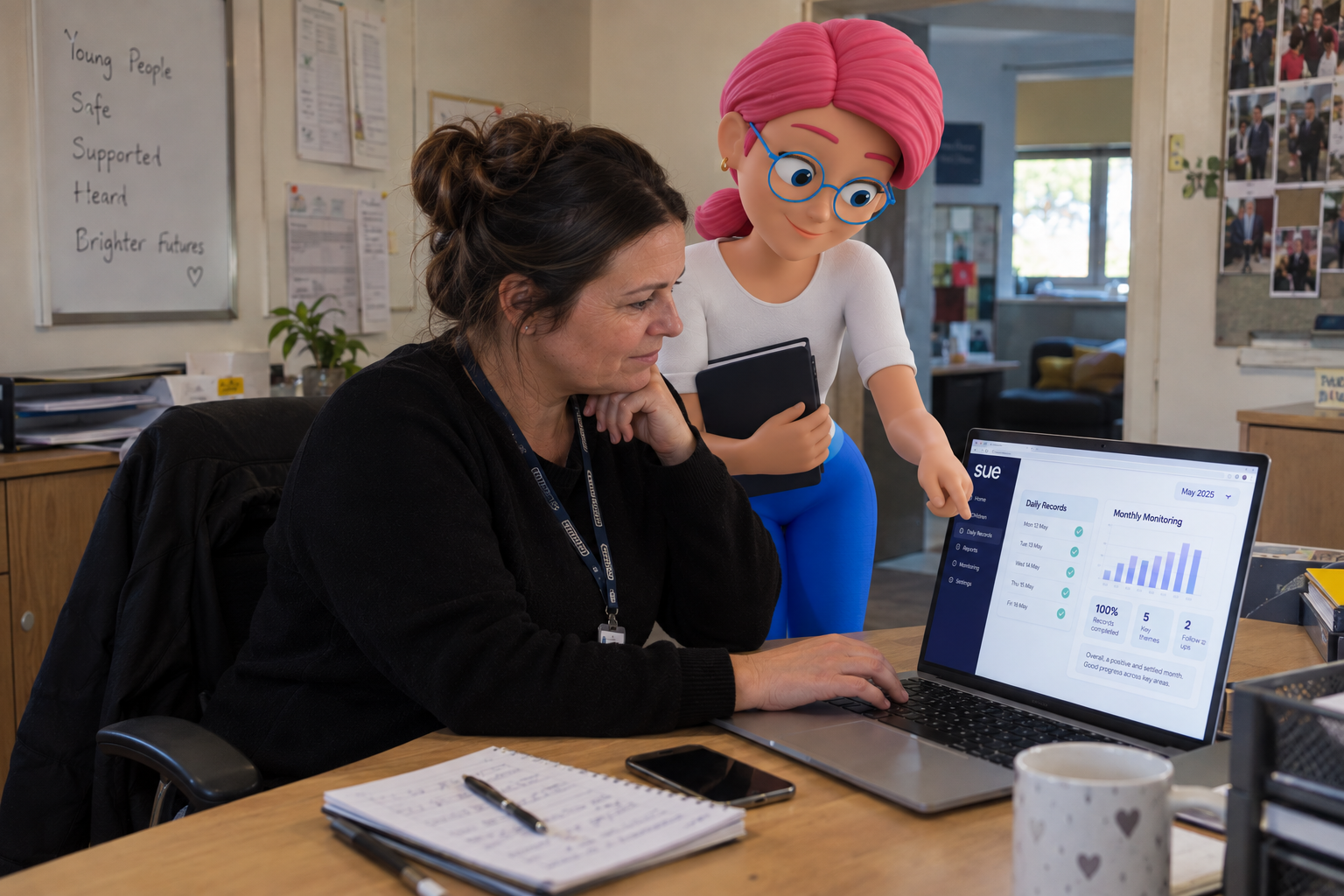
In a nursery, the record supports a child who goes home to their family every evening. In a children's home, the record is part of the child's life story. It evidences their care plan, informs their risk assessments, tells the next shift what happened overnight and, years later, may be read by the young person themselves. That is why inspectors pay such close attention to what children's home records show, and why homes relying on paper or patched-together systems find it hard to keep up.
Good residential recording tends to share a few habits. Daily logs are written promptly and centre the young person's voice. Concerns are captured through consistent safeguarding recording and linked to the plans they affect. Leaders can see patterns across incidents, missing episodes and medication without piecing them together by hand. Our practical guide to children's home compliance covers the wider picture, and the same pressures apply to providers of supported accommodation running several premises against the new standards.
This is also where general-purpose tools stop fitting. A nursery app is built around learning journals and parent updates. An adult care system is built around different law and a different group of people. Residential care for children needs children's homes management software designed around the 2015 Regulations, the Quality Standards and the way a home runs across 24 hours.
Different Settings For Different Moments
Each of these settings exists for a different child at a different point in their life. A two-year-old starting at a Flying Start playgroup, a nine-year-old settling in with their grandparents and a 16 year old moving into their first supported flat are in very different places, under very different rules. What they share is a need for adults who know them well and records that tell their story accurately. The best settings, at any point on that spectrum, are the ones that get both right.
Frequently Asked Questions
The main types of childcare providers in the UK are childminders, day nurseries, pre-schools, playgroups and out-of-school clubs such as breakfast and after-school clubs. In Wales, cylchoedd meithrin also offer Welsh-medium early years sessions. Nannies and au pairs care for children in the family home and are not always required to register. Registered providers are inspected by the childcare regulator in their own nation.
Care Inspectorate Wales registers and inspects childminders and day care providers for children up to the age of 12. Providers must meet the Welsh Government's National Minimum Standards for Regulated Childcare. Ofsted does not inspect childcare in Wales. CIW also regulates children's homes in Wales, under the Regulation and Inspection of Social Care (Wales) Act 2016.
Foster care places a looked-after child with an approved carer in the carer's own family home. A children's home is a registered, staffed home where a small group of young people are cared for by a team of careworkers working in shifts. Most looked-after children in England live in foster care, with around 12% living in children's homes. A children's home is usually the right choice when a young person's needs are better met by a staff team than by a single family.
Supported accommodation houses looked-after 16 and 17 year olds and care leavers, and it provides support rather than care. Staff help young people build the skills they need for independent living, such as managing money, cooking and keeping a tenancy. In England it has been regulated by Ofsted since 2023 under the Supported Accommodation (England) Regulations 2023. It is not suitable for a young person who needs care, who should be placed in a children's home instead.
No. Childcare looks after children for part of the day while their parents keep full responsibility for them. A children's home is where a looked-after child lives full time, cared for by the home's staff on behalf of the local authority. The two sit under completely different legal frameworks, and the records a children's home keeps are far more detailed and far more frequent.