How One Children's Home Group Fixed Its Multi-Home Reporting
A Monday should not start with directors chasing five homes for five versions of the same information. This multi-home reporting case study shows how a growing children's care group replaced spreadsheets with multi-home care reporting software, one reliable source leaders could compare homes against and act on.
It is an illustrative scenario, built from the challenges we hear again and again from providers expanding from a handful of homes to a larger, more complex operation. The lesson is not that a dashboard solves everything. It is that clear, timely reporting gives the right people a firmer footing to make safer, more accountable decisions, and that getting there is as much about discipline and culture as it is about software.
The Problem: Every Home Had Its Own Version Of The Picture
The group had grown steadily. Each home had a committed registered manager, careworkers who knew their young people well, and local processes that had developed for sensible reasons. As the number of homes rose, those local ways of working started to create a wider organisational problem. Information existed, but it did not travel well.
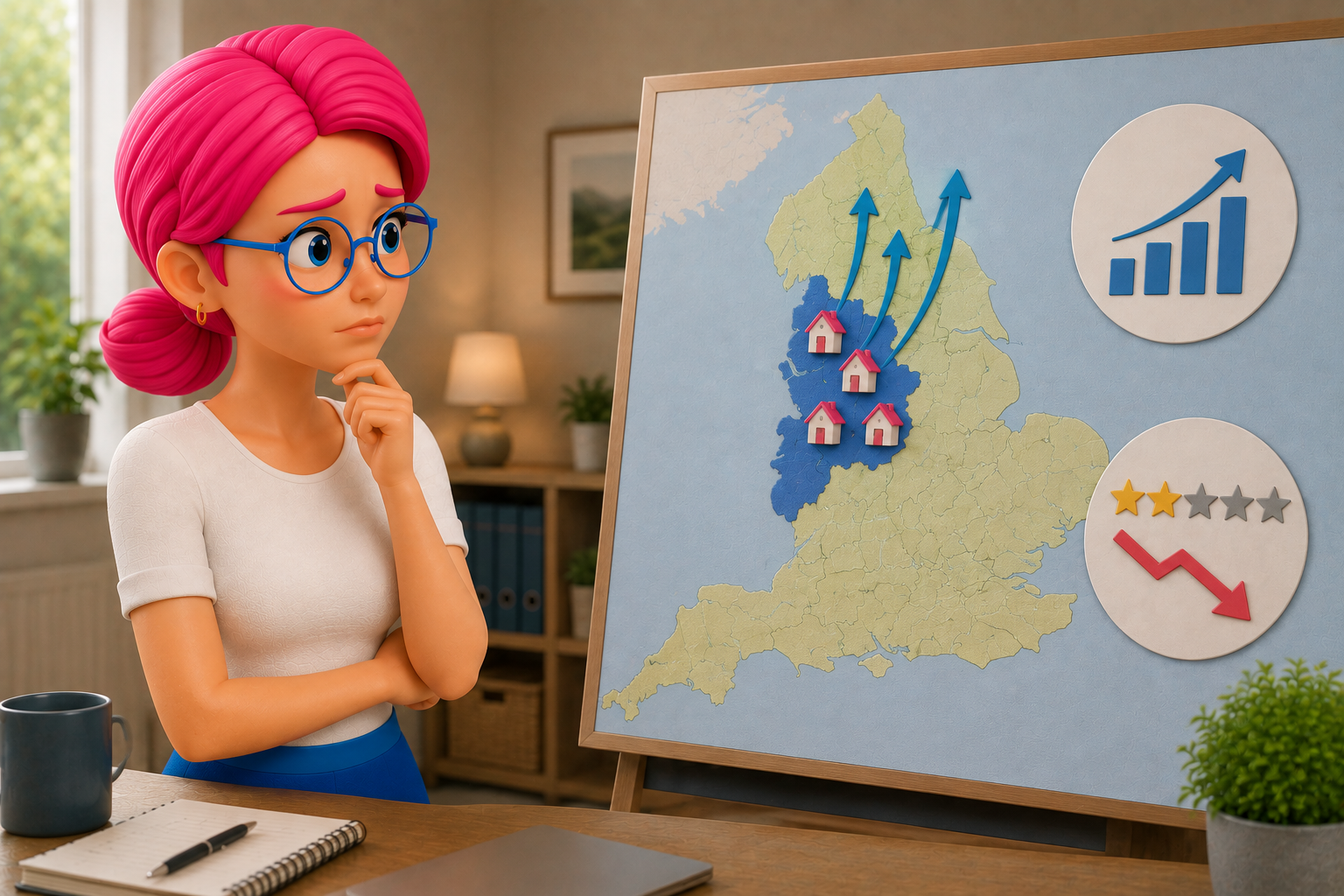
A director might get weekly updates from one home and monthly summaries from another. One manager tracked training on a spreadsheet, another on calendar reminders. Incidents were recorded, but spotting a pattern across the group meant someone sitting down to read, compare and interpret entries from several places. None of this was a failure of care or effort. It was an avoidable lack of visibility, and it fell hardest on two groups: leaders who could not see risk early enough, and managers forced to keep producing the same information in different shapes for different people. Reporting felt like something done to them rather than part of leading their home. This is the familiar cost of running a group on spreadsheets rather than a platform.
What The Group Needed From Multi-Home Reporting
The aim was never to make every home identical. Children's homes need professional judgement, and managers must be able to respond to the particular needs of the children and staff in their care. The aim was consistency in what gets captured, checked and escalated, so the same question could be answered the same way in every home. That meant reporting had to serve three different people at once, and a children's residential care reporting platform only earns its place if it works for all three.
Recording that is clear and manageable on a demanding shift. They need to know what good recording looks like and trust that what they enter helps colleagues give continuity of care.
A home-level view of what needs attention first: overdue actions, incident patterns, incomplete records, training needs. A report should help them decide where to focus, not add another pile of work.
Oversight without micromanaging. They need to compare homes fairly, ask sharper questions and evidence governance with confidence, seeing risks and themes early enough to offer real support.
Central visibility is not about reducing a home to a set of numbers. It is about making sure leaders can see risk, strength and emerging themes early enough to do something useful with them. Get that right and the same reliable information serves the careworker on shift and the director in a board meeting, each seeing the view that fits their job.
Building One Multi-Home Reporting Platform
The group moved away from disconnected documents and towards a shared operational platform. In practice that meant agreeing common recording fields, workflows and reporting expectations across its homes. Information was entered once as part of daily work, then shown in the view that fits each role rather than rebuilt by hand for every meeting. A platform built for the sector, such as Sue Solutions, connects the operational detail inside each home to the wider oversight managers, responsible individuals and directors need. The point is not only that reports come out faster. It is that the information underneath them is more consistent, more traceable and more useful.
They started where fragmented reporting caused the most risk or workload: incident recording and follow-up actions, safeguarding oversight, medication and health tasks, staff training, audits and supervision. They did not try to redesign every process at once, which would have overwhelmed the people expected to use it. Instead, leaders set clear expectations for what must be recorded, who reviews it and when actions close, and they shaped those expectations with managers in the room. A process that looks tidy at head office but does not work on shift gets bypassed within a fortnight.
Consistency Without Losing The Story
A common worry was that standardised reporting would flatten the story behind a child's experience. The group handled it by separating structured data from professional narrative. Structured fields made recurring categories, overdue actions and trends easy to see across homes. Narrative records kept the context: what happened, how staff responded, the young person's voice, and what was learned. Both were needed, because numbers can point to an issue but rarely explain it. A rise in incidents in one home could mean a staffing problem, a change in the group of children living there, a particular young person in distress, or simply better recording discipline. The report prompted a conversation. It did not hand down a verdict.
Reporting Routines That Led To Action
The group also changed its routines. Reports were reviewed at agreed intervals rather than only when an inspection, board meeting or concern was looming. Managers used their own home's view to prepare for supervision, team meetings and internal audits. Responsible individuals used reporting across the group to spot themes and ask focused questions. Directors used it to weigh resourcing, workforce pressure and wider quality priorities. Every review ended with named actions and a clear route for follow-up, because a report that flags a concern but assigns no owner is just a neater version of the old problem.
A report that identifies a concern but nobody owns is a tidier version of the problem you already had.
What Changed In The Daily Work
The clearest difference was in how long it took anyone to understand what was happening. The table below sets the two states side by side.
At group level, leaders gained a more dependable view of performance: where audit activity was complete, where training needed attention, and where incidents or safeguarding matters warranted a closer look. Governance conversations became more specific and stopped depending on a scramble for updates, which is what good data visibility across homes is for. There was a cultural change too. Once teams could see that records were being read, discussed and used to improve practice, reporting became more purposeful, and the link between a good record and a safer handover became obvious to the people writing them.
The group did not treat the system as a substitute for leadership. A report cannot tell a manager whether a colleague is struggling, whether a young person feels heard, or whether the tone in a home is right. Those still need presence, curiosity and judgement. Good reporting makes room for that work by cutting the chasing and duplication, and it lets a home treat quality assurance as a continuous habit rather than a monthly event.
The Trade-Offs Leaders Should Expect
None of this comes for free. Centralised reporting asks something of everyone in the group, and the leaders who plan for the costs rather than discover them later tend to come out in a better place.
The first is flexibility. Homes will feel the loss of familiar routines, so explain the purpose plainly, and when a workflow causes problems on shift, change it rather than insisting on it. The second is the pull towards the wrong measures. It is easy to count what is simple to count, but completion rates and overdue tasks only mean something next to quality assurance and the lived experience of young people, and a green status reassures you only if the work behind it was done well. The third is shared meaning. If two people read a category differently the group reports start to mislead, and it is regular guidance, manager checks and honest feedback that keep the data worth trusting.
The group found that naming these openly, rather than selling the change as painless, made managers more willing to come along. The effort you put in at the start is what the reporting runs on later.
A Calmer Route To Accountable Growth
For a provider running several children's homes, reporting should not be a monthly scramble for reassurance. It should be a steady flow of useful information that helps every role do its job: careworkers recording with purpose, managers leading with clarity, and directors staying informed and in control. The work of choosing and rolling out a children's home specific system is worth doing properly for that reason, and it connects directly to the reports leaders really read.
- Earlier sight of risk, so a home gets support before pressure becomes a crisis.
- Fairer comparison between homes, with the context kept alongside the numbers.
- Specific governance conversations, built on current information rather than last Friday's export.
- Less chasing and duplication, which gives managers back time for the children.
The real value of multi-home reporting is not a prettier board pack. It is the chance to notice earlier, respond more thoughtfully, and give each home the support it needs before pressure turns into something harder to fix. When the information is dependable, leaders spend less time looking for the truth and more time acting on it. Sue Solutions is multi-home care reporting software built for children's residential homes and supported accommodation by people who worked in the sector, to give every role a view it can trust.
Frequently Asked Questions
Multi-home reporting is how a provider running several children's homes brings the information from every home into one consistent, comparable view. Instead of each home sending its own spreadsheet in its own format, the same fields are recorded once as part of daily work and made available in the right view for each role, so managers, responsible individuals and directors can see risk, actions and trends across the group without rekeying anything.
In a small provider, informal updates and personal knowledge fill the gaps. As homes are added, each develops its own local habits: one tracks training on a spreadsheet, another on calendar reminders, incidents sit in separate places. The information exists but does not travel well, so leaders cannot see whether actions are complete or where concerns are rising until someone manually compares entries from several sources.
Careworkers need recording that is clear and manageable on a busy shift. Registered managers need a home-level view of what needs attention first: overdue actions, incident patterns, incomplete records and training needs. Responsible individuals and directors need to compare homes fairly and evidence governance without micromanaging. Good software gives each role its own view of the same reliable source.
Separate structured data from professional narrative. Structured fields make recurring categories, overdue actions and trends easy to spot across homes. Narrative records keep the context: what happened, how staff responded, the young person's voice, and what was learned. A rise in incidents in one home could mean a staffing issue, a change in the group of children, a young person in distress, or better recording. The report should prompt a conversation, not deliver a verdict.
It takes discipline. Homes may feel they are losing familiar flexibility, so leaders must explain the purpose and fix workflows that create problems on shift. There is a risk of measuring what is easy to count rather than what matters, so completion rates should sit alongside quality assurance and the lived experience of young people. And consistent training matters, because if people read a category differently the group reports mislead.