Audit Trails And Access In Children's Home Records
An audit trail is the automatic record of who created, viewed, edited or signed off an entry, and when. Role based access decides who can see and change what in the first place. Together they keep a children's home's records honest, protect staff and children alike, and turn everyday recording into evidence that holds up at inspection. The regulations expect records to be kept secure and traceable, and these two things are how a home delivers that day to day.
Most conversations about care software focus on the forms and the dashboards. The quieter features underneath, who can open a record and what happens when they change it, do more to protect a home than any report. A safeguarding concern is only as trustworthy as the account of what was done about it, and that account depends on records that cannot be altered without trace and cannot be seen by people who have no reason to. This is a look at how audit trails and role based access work, why they matter, and what the rules ask of them.
What An Audit Trail Records
An audit trail sits behind every entry and captures four things automatically, without anyone having to remember to do it. On paper this is partial at best. A signature and a date show who wrote an entry, but not who later read it, and a page can be replaced or a line changed with nothing to show for it. A digital trail closes those gaps.
The value shows most clearly after something has gone wrong. When an incident, a complaint or a safeguarding review needs unpicking, the audit trail is the chronological account of what happened and when, which saves a great deal of uncertainty and protects staff who acted properly. It also lets a manager see where recording is slipping and support the person, rather than guessing at who did what.
A record you can trust is one that shows its own history. That is what an audit trail gives a home.
Why Record Integrity Protects Children And Staff
Record integrity is a plain idea with real weight. It means a record can be relied on as a true account, because it cannot be quietly changed and every change is attributed. That protects children, because the story of their care stays intact and cannot be tidied up after the fact. It protects staff just as much, because a worker who recorded the right thing at the right time has proof of it, rather than a memory against someone else's.
This matters most in the records that carry risk. An incident, a safeguarding concern, a risk assessment, a restraint or a missing from home episode all need an account that will stand up weeks or months later. If that account can be altered without trace, its value drains away. A trustworthy trail is what lets a home say, with confidence, that a concern was raised at a certain time and acted on by a certain person.
How Role Based Access Works
Role based access is the other half of the picture. It decides who can reach which records before anyone records anything, so each person sees what their role needs and no more. A care worker, a registered manager and a responsible individual work in the same system but see different views of it, shaped around their responsibilities.
| Role | Typically needs | Usually does not need |
|---|---|---|
| Care worker | The records for the young people on their shift, and their own entries | Full staff files or group-wide financial data |
| Registered manager | Full oversight of their home, incidents, actions and staff records | Other homes' day-to-day records in a group |
| Responsible individual | Oversight and patterns across every home they are responsible for | Routine edit rights on individual daily entries |
| Director | Organisation-wide performance, compliance and workforce data | Line-by-line access to every child's record |
The principle underneath this is least privilege, giving each person the access their duties require and nothing beyond it. It is what data protection law means by data minimisation, and regulators expect to see it applied on the ground rather than left in a policy document. The line that everyone can see everything because the team is small rarely survives scrutiny when records hold sensitive safeguarding content. Done well, role based access supports confidentiality without getting in the way, because staff still reach everything their work requires.
What The Regulations Expect
None of this is optional polish. The duty to keep records secure and traceable runs through the Children's Homes Regulations 2015 and data protection law together, and audit trails and role based access are how a home meets it day to day.
Under Regulation 36 of the Children's Homes (England) Regulations 2015, a child's case record must be kept secure and up to date, with each entry signed and dated. Regulation 34 requires the home to keep records of any allegation of abuse or neglect and the action taken in response. An audit trail is what makes the signing, dating and traceability reliable rather than dependent on memory.
Data protection law sits alongside the regulations and applies to paper and electronic records alike. It requires personal data to be held securely, accessed only by those with a legitimate need, and kept no longer than necessary. Role based access answers the first two directly, and you can read how format affects the rest in our comparison of digital and paper records. Retention duties are long in this sector, with a child's case record kept for many years, so the security of those records has to hold for years, well beyond the current shift.
The Concern To Outcome Trail Inspectors Look For
When an inspector case-tracks a child, they follow a single thread, from the moment a concern was noticed to what was finally done about it. They are testing whether the home has a grip on risk, and the audit trail is what evidences that thread rather than leaving it to be described from memory.
A common inspection finding is not that homes fail to log concerns, but that actions are logged and never closed, or that the record lags behind what happened on the ground. A live audit trail helps a home avoid both, because overdue actions stay visible and every step carries its own time and name. You can read more about how records are read at inspection in our guide to what Ofsted looks for in records.
What To Look For In A System
If audit trails and access sit at the centre of record integrity, they are worth examining closely in any system a home is considering. A polished front end can hide weak foundations underneath, so it is worth asking directly.
- Does every view, entry and edit record a named user and a timestamp automatically?
- Can an edit ever overwrite the previous version without a trace of the change?
- Can access be set by role, and adjusted cleanly when someone changes job or leaves?
- Can a manager see the trail for a record without needing the supplier to pull it?
- How are leavers, exports, backups and support access handled and logged?
These are the questions that separate a system built for a regulated setting from one adapted to it. The tools a manager relies on should make the trail easy to reach, and a system built for children's residential care treats record integrity as a foundation rather than a feature. It is one of the quickest ways to tell whether children's homes management software was really designed around residential care.
Getting The Balance Right
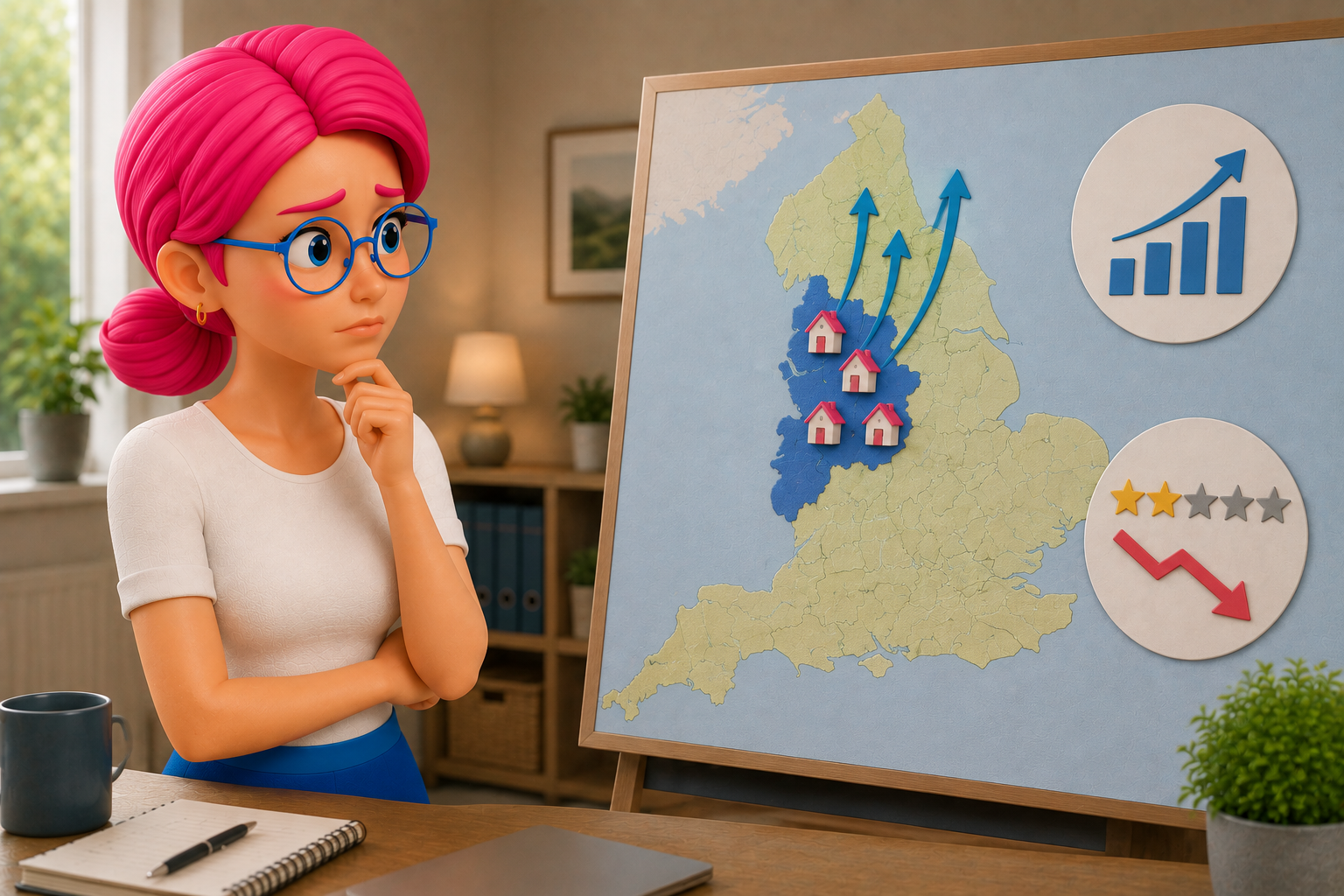
There is a balance to hold. Access that is too tight frustrates staff and pushes them towards workarounds, a private note here, a shared login there, which quietly undoes the point of the controls. Access that is too loose exposes sensitive records to people who have no reason to see them. The right setting depends on the size and structure of the organisation, so it deserves a proper conversation at setup rather than being patched together later, especially for a provider running more than one home and needing oversight across homes.
Handled well, audit trails and role based access fade into the background. Staff record as they always would, see what they need, and get on with the work, while underneath, the home is quietly building a secure, trustworthy account of the care it gives. Sue Solutions is children's home software built around that principle, so record integrity holds without adding to anyone's day. It is the least visible part of good software and, when scrutiny comes, often the part that matters most.
Frequently Asked Questions
An audit trail is the automatic record of who created, viewed, edited or signed off an entry, and exactly when. In a children's home it means that every change to a log, incident or plan is attributed to a named person with a timestamp, so nothing can be altered silently. It gives the home a reliable account of what happened and when, which protects both children and staff.
Role based access means each person sees and edits only the records their role needs, so a care worker, a registered manager and a director each have a different view of the same system. It supports confidentiality and data minimisation while making sure staff can still reach the information they need for their duties. It is the practical form of the least privilege principle that regulators expect.
Inspectors test whether a home can show a clear line from a concern to the action taken and the outcome. An audit trail evidences that line, showing when a concern was recorded, who acted on it and how it was followed up and closed. It also lets leaders see where recording practice needs support, rather than relying on assumptions, which is part of the oversight the inspection framework looks for.
Yes. Under Regulation 36 of the Children's Homes (England) Regulations 2015, a child's case record must be kept secure and up to date, with each entry signed and dated. Regulation 34 requires records of any allegation of abuse or neglect and the action taken in response. Data protection law adds that access must be limited to those with a legitimate need, which role based access and an audit trail put into practice.
Only partially. Signing and dating entries gives some accountability, but paper cannot show who viewed a record, and it cannot prevent a page being replaced or an entry being changed without trace. A digital system records every view and edit automatically, which is far harder to reproduce on paper without a great deal of manual effort.