How To Digitise Care Records In A Children's Home
A handwritten daily log is more than paperwork. It might hold the detail that helps a colleague understand a young person's difficult evening, a manager spot a safeguarding pattern, or an inspector see how a decision was made. So digitising care records is not really a technology project. Done well, it gives your team more time for young people and makes the home easier to run and to oversee.
For a children's residential home, the aim is not to put every sheet of paper on a screen. It is to create accurate, timely records that are useful to the people caring for children, protected properly, and available the moment they are needed. This guide walks through how to get there, step by step, without losing what matters in the move.
The test to keep in front of you: a scanned form cannot flag an overdue follow-up, show a pattern over time, or alert a manager to a missing sign-off. Digitising for storage tidies your filing. Digitising for usefulness changes how the home runs.
1 Start With the Care Journey, Not the Software
The quickest route to a system nobody uses is to pick it from a feature list. Start instead with what happens in your home across a real shift. Follow the journey from handover to daily notes, appointments, missing from home events, medication, key work, incidents, safeguarding concerns, manager review and reporting.
Then ask the people who live in that journey. Ask careworkers where recording slows them down or makes them enter the same thing twice. Ask managers which information they end up chasing at the end of the week. Ask responsible individuals and directors what they cannot see across homes until it has already become a problem. Those answers show you the gaps a digital system needs to close.
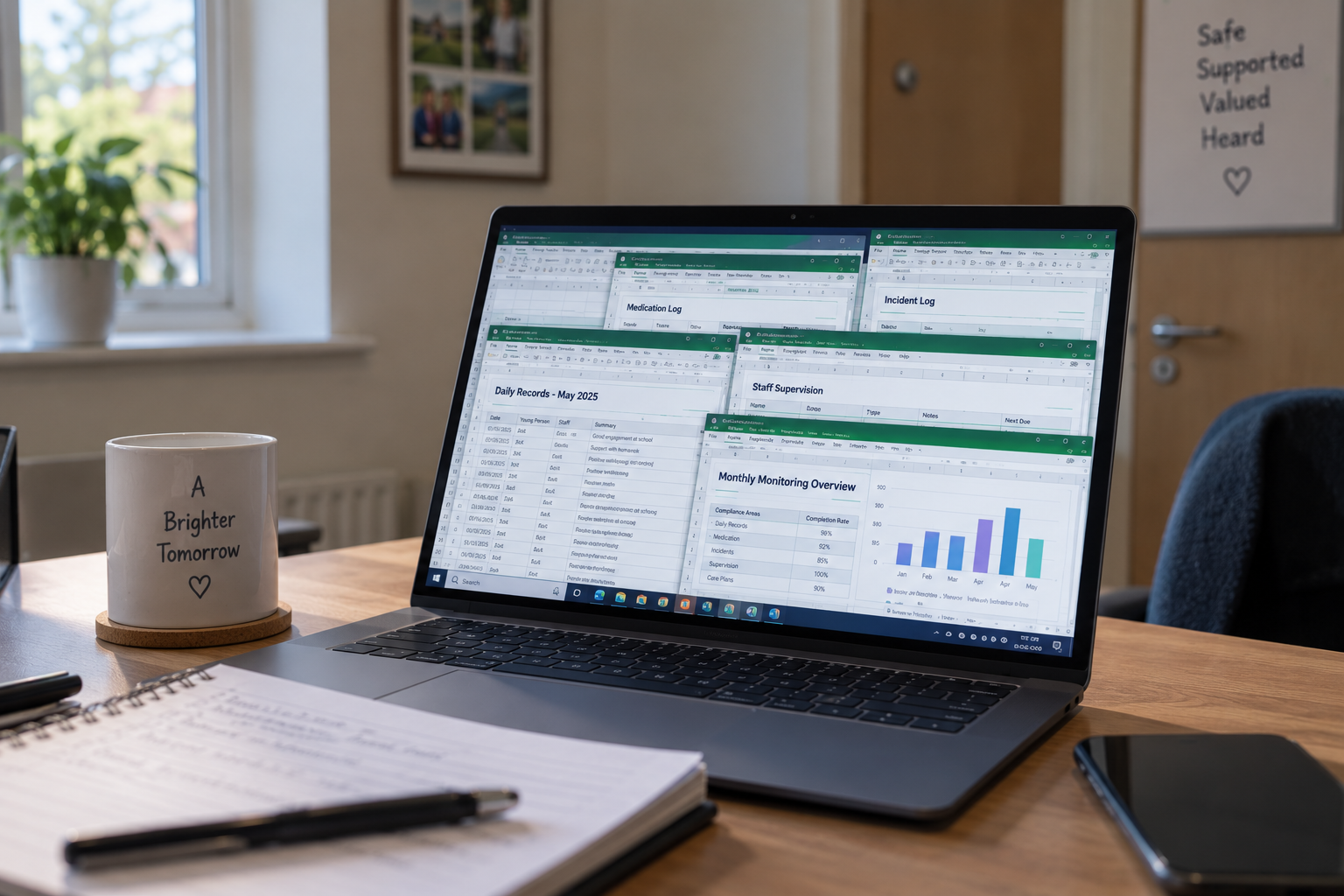
Paper files, shared drives, spreadsheets and separate training tools tend to create the same issue: the information exists, but it is scattered. A careworker records an incident in one place, a manager tracks the action somewhere else, and senior leaders see only a monthly summary, which is exactly how records end up going missing. Good digitisation joins those moments up without asking staff to type the same thing into two systems, which is what a connected digital care planning system is for.
2 Decide What to Digitise First
Trying to convert every historic document and process at once will overwhelm even a strong team. Prioritise the records that are time-sensitive, reviewed often, or central to safeguarding and compliance. Work outward from there.
Care-critical, time-sensitive records. Daily records, handovers, incidents, safeguarding concerns, health and medication, appointments, key work, admissions and placement documents.
Operational records that keep a home safe. Staff training, supervisions, safer recruitment checks, maintenance, policies, audits and the actions that come out of them.
Historic paperwork, where it earns it. Scan older files only where doing so completes a child's file or preserves essential evidence, rather than doing it for everything by default.
There is a real trade-off with that third tier. Scanning historic paperwork helps where it builds a complete child file or keeps important evidence, but scanning on its own does not make information easier to use. For active records, structured digital forms and clear workflows are worth far more than a folder of image files.
Digitising for storage tidies the filing cabinet. Digitising for usefulness is what changes how the home runs.
3 Build Safe, Usable Recording Standards
Digital records are only as good as the entries people make in them. Before rollout, agree what good recording looks like in your organisation. Staff need clear expectations on factual language, chronology, professional curiosity, the child's voice, and the line between observation, opinion and action.
A useful record explains what happened, who was involved, how the young person was supported, who was told and what needs to happen next. It should be detailed enough to stand up to scrutiny without asking careworkers to write an essay after every interaction. The right level depends on the event and the child's needs. Templates help with consistency, especially for incidents, missing from home episodes, body maps, risk assessments and handovers, as long as they leave room for context: what led to a young person becoming distressed, what helped them settle, and what colleagues should do differently next time.
Keep the Child at the Centre of Every Entry
A child may read their own records now or years from now, and that changes how they should be written. Use respectful, plain language. Avoid labels, assumptions and offhand comments that do nothing to explain the care or the decision. Digitisation makes this easier when the system prompts staff to record outcomes, actions and the young person's views rather than only the event, which builds a fuller picture and helps a team move from reacting to incidents towards learning from them.
4 Protect Confidentiality Without Creating Barriers
Children's residential care records hold highly sensitive personal information, so any digital approach has to be built around appropriate access, accountability and data protection from the start. Convenience is not enough on its own.
Set permissions by role, so careworkers see what they need to deliver safe care, managers can review and act, and senior leaders have the right level of oversight. Think carefully about agency staff, temporary access, leavers and people who move between homes, and review access regularly rather than leaving it in place by default.
Audit trails matter just as much. You need to know who created, viewed or amended a record, and when. That protects children, staff and the organisation when a question comes up later, and it makes for better management conversations, because a manager can see whether an action was completed rather than assume it was. This is the same discipline behind strong records and audit trails across the home. Work with your data protection lead so the approach reflects your policies, retention schedules and information-sharing duties. A multi-home group may need central oversight while still limiting access to sensitive records within each home.
5 Plan Migration Carefully
Migration is where good intentions turn into disruption if you let them. Build a clear inventory of existing files, decide what has to transfer, and set rules for naming, indexing and quality checking. Do not hand your staff the whole job on top of a full care rota with no support.
For some providers a phased approach works best. Start with one home or a defined set of live processes, learn from real use, then extend. Others do better with a coordinated launch across several homes, to avoid running parallel systems for too long. It comes down to the size of the organisation, how ready staff are, and how consistent current processes already are. Keep tight control of paper through the transition, too: staff must know which record is the authoritative version, where it lives, and when paper forms can stop. Confusion here creates duplicate entries and chips away at confidence in the new process.
6 Train for Confidence, Then Measure the Change
A short demonstration is not implementation. Careworkers need practical training grounded in the situations they face: recording a hard handover, raising a concern, completing an incident, checking an action or finding key information mid-shift. Managers need something different again, how to review records, spot themes, monitor overdue actions and use reporting to challenge and support practice. Directors and responsible individuals need a clear view of risk, compliance and performance across homes without drowning in operational detail.
Leave room for questions after go-live. Find the confident users who can help colleagues, check record quality early, and feed recurring problems back into training or configuration. Then hold your nerve on measurement. Do not judge digitisation by whether the system launched. Judge it by whether practice improved.
- Record quality and timeliness. Are entries fuller, and made closer to the event rather than hours later?
- Overdue actions and reviews. Are they visible and closing, rather than surfacing at audit?
- Time on admin. Are staff spending less time re-entering and searching, and more time present?
- Audit and inspection prep. Is the evidence easier to pull together because it was captured as work happened?
Listen to staff alongside the numbers. If they are still writing notes on paper and re-entering them later, the process needs attention. If managers are seeing clearer information and spending less time hunting for evidence, you are moving the right way.
Use Digital Records for Oversight, Not Just Storage
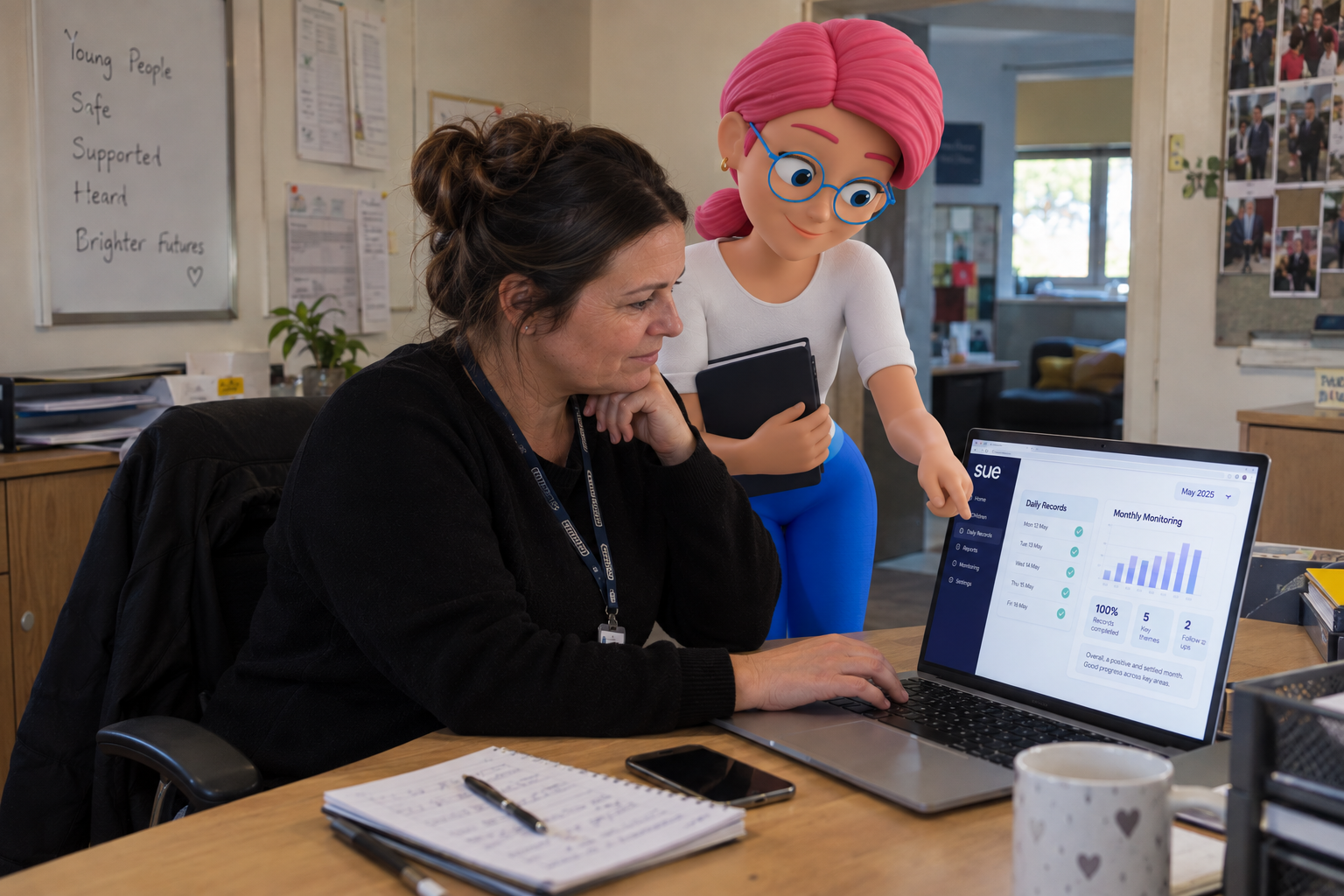
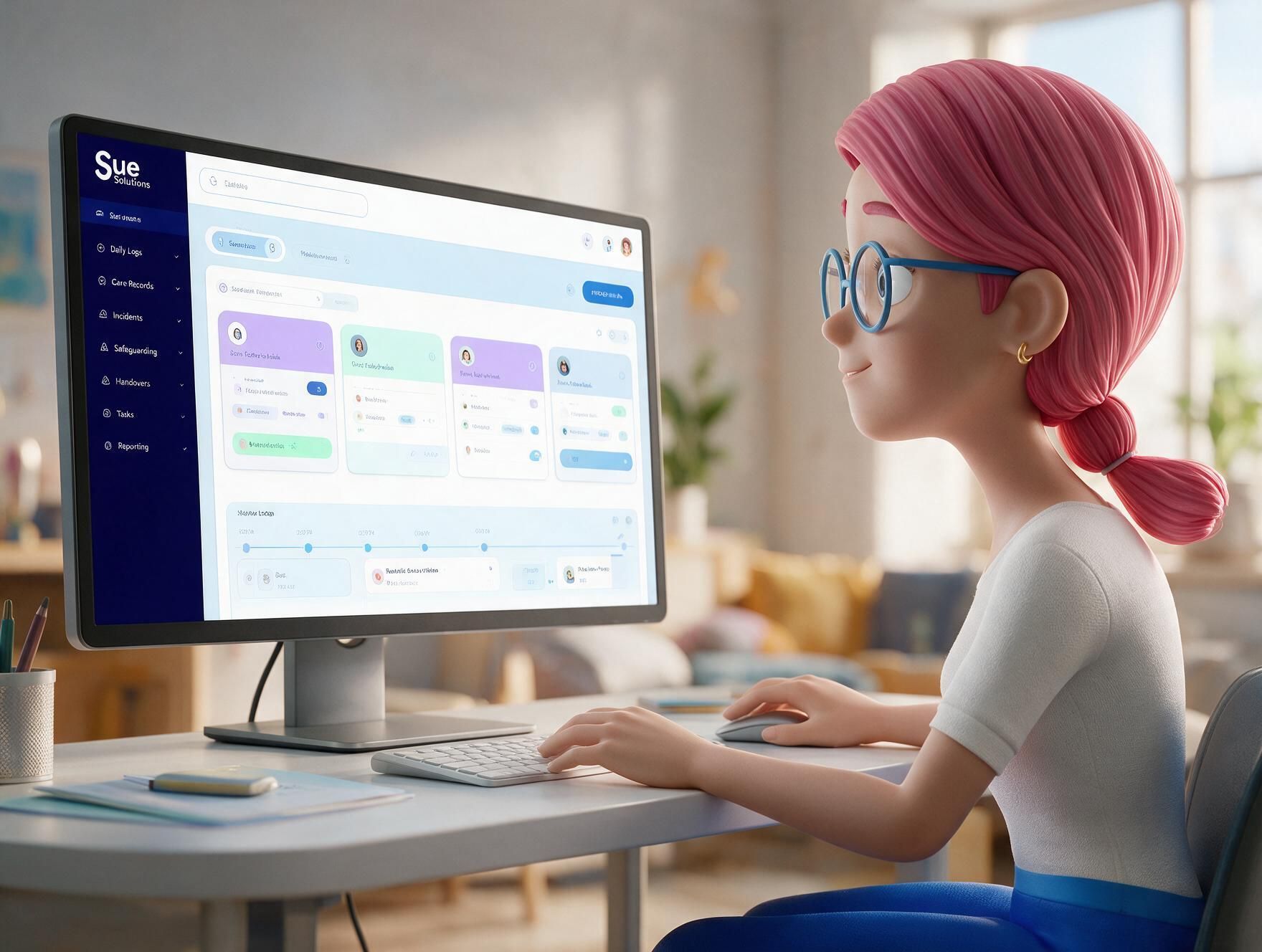
The real payoff arrives after the first records go in. Managers should be able to see incomplete handovers, outstanding actions, recurring incident types, overdue reviews and training gaps before any of them turn into an inspection issue. This is where the right management software turns fragmented admin into one operational view of the home. When care records, incidents, actions and workforce responsibilities are connected, the right people can act sooner, and leaders keep a clear view without chasing updates.
Use that information in supervision, team meetings and management review. If incidents rise at a certain time, with a particular trigger, or around a change in routine, look into the pattern with care and curiosity. Data points to the questions worth asking, but it does not replace professional judgement or the relationships staff build with young people. Done well, digitising care records leaves your home with far more than a cleaner filing system. It gives careworkers the confidence to record well, managers the space to lead, and young people the benefit of a team spending less time chasing paperwork and more time being present. Sue Solutions was built for this, by people who worked in the sector, across children's residential homes and supported accommodation.
Frequently Asked Questions
Digitising care records means moving from paper and scattered files to structured digital records that staff complete on a device. The point is not to photograph every sheet of paper. It is to create accurate, timely records that are useful to the people caring for children, protected by role-based access, and available when they are needed, so a record can flag an overdue follow-up or show a pattern rather than just sit in a folder.
Start with records that are time-sensitive, regularly reviewed or central to safeguarding and compliance: daily records, handovers, incidents, safeguarding concerns, health and medication, appointments, key work, admissions and placement documents. Then bring in the operational records that keep a home safe, such as training, supervisions, safer recruitment, audits and actions.
No. Scanning creates image files that a person still has to read and act on manually. A scanned incident form cannot flag an overdue follow-up, show patterns over time or alert a manager to a missing sign-off. Scanning has a place for preserving historic evidence or completing a child's file, but for active records, structured digital forms and clear workflows are far more useful.
Set permissions by role so each person sees only what their job needs, and plan carefully for agency staff, temporary access and leavers, reviewing access regularly rather than leaving it in place by default. Keep audit trails of who created, viewed or amended each record, and work with your data protection lead so the approach reflects your retention schedules and information-sharing responsibilities.
Do not judge it on whether the system launched. Measure whether practice improved: the timeliness and quality of records, overdue actions, management review completion, time spent on admin and how easy it is to prepare for an audit or inspection. Listen to staff too. If they are still writing on paper and re-entering it later, the process needs attention.