Who Monitors Compliance Across Children's Homes?
A missed supervision, an overdue risk assessment or a recording gap can begin in one home and become a leadership concern very quickly. So who monitors compliance across homes? Never one person alone. It relies on clear responsibility at every level, from the careworker to the director.
That runs from the careworker recording an event at the end of a demanding shift to the director who needs assurance that standards hold across the organisation.
For children's residential care and supported accommodation providers, this matters because compliance is not a separate administrative exercise. It is how safeguarding decisions, children's progress, staffing practice and the quality of daily care are evidenced. When everyone understands their part, compliance becomes part of the care itself rather than a scramble before inspection.
Who Monitors Compliance Across Homes?
In a well-run provider, compliance is monitored through several connected layers. The registered manager leads oversight within each home. The responsible individual provides independent challenge and governance on behalf of the provider. Senior leaders and directors look for patterns, risks and performance across the group. External regulators then assess whether the provider is meeting the required standards.
That shared model is not about spreading accountability until it disappears. It works so that concerns are seen at the right level, early enough for someone to act. A manager needs to know whether daily records are complete and meaningful. A responsible individual needs confidence that monitoring is rigorous, not simply reported as complete. A director needs to see whether one home is carrying the same issue as another, or whether a wider process needs attention.
- CareworkersCreate the evidence
Daily logs, key work, medication records, incidents and handovers capture the child's lived experience. Much of the compliance picture starts here, on shift.
- Registered managerTurn activity into oversight
Makes sure records are complete and meaningful, reviews incidents, spots what needs attention, and acts on what the information is showing.
- Responsible individualIndependent governance
Offers constructive challenge, sees themes across the home, and gains assurance that actions are completed and evaluated, not just reported.
- Director or ownerGroup-level view
Compares performance across homes, spots patterns early, and provides the staffing, training and systems that make compliance possible.
- External regulatorIndependent assurance
Ofsted and the other UK regulators assess records against practice. A well-run provider never wants the regulator to be the first to find a problem.
How Careworkers Create the Evidence
Frontline careworkers do not carry sole responsibility for compliance, but their work is where much of the evidence begins. Daily logs, key-work sessions, medication records, safeguarding concerns, incident reports and handovers all build the picture of a child's lived experience.
The quality of that recording matters as much as whether it has been completed. A short, vague entry may tick a task off a list but fail to explain what happened, how staff responded or what follow-up was needed. Managers should make expectations clear, offer practical guidance and use supervision to build confidence, especially for newer colleagues.
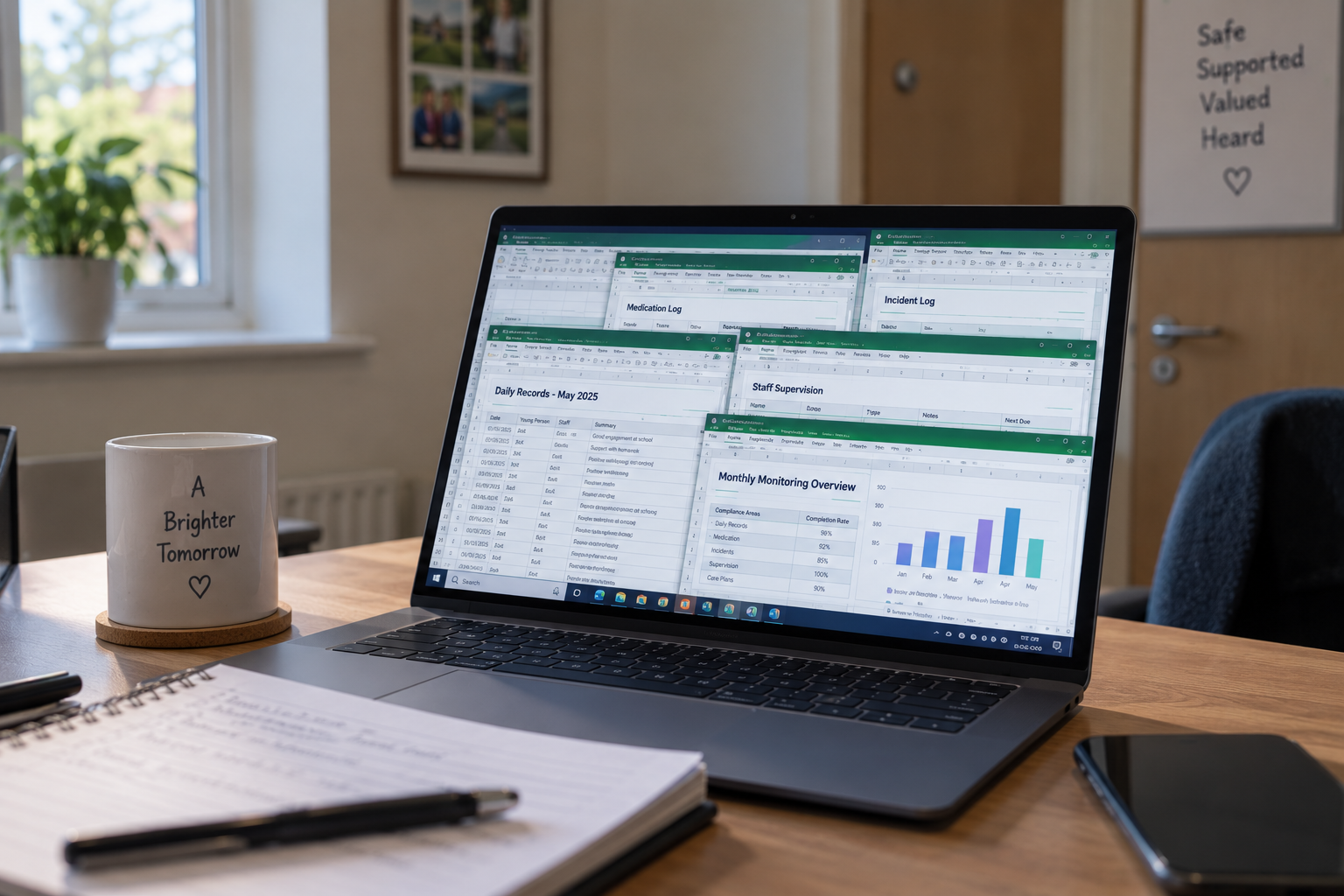
Systems can either add pressure here or reduce it. If staff have to duplicate information across folders, spreadsheets and separate tools, important details can be delayed or lost. A clear, role-appropriate process gives careworkers more time to focus on children while still making accountability visible.
How Registered Managers Turn Records Into Oversight
The registered manager is usually the central point of compliance monitoring within a children's home. They need records completed, staff suitably trained and supervised, incidents reviewed, safeguarding procedures followed, and the home operating in line with its statement of purpose.
Monitoring is more than checking whether every form has a date and signature. Managers need to ask what the information is telling them. Are physical interventions reducing, and are certain shifts or activities generating more incidents than others? Is a child's education attendance slipping? And when staff keep missing the same process, is the process itself unclear rather than the staff at fault? A live risk assessment system helps a manager see these links rather than piece them together by hand.
Strong management oversight combines regular checks with professional curiosity. A monthly audit may identify a missing document, but a live view of overdue actions can stop it becoming a wider problem. It also gives managers the evidence for better conversations with staff: supportive where practice needs developing, and direct where risks need immediate action.
Monitoring is not checking whether every form is signed. It is asking what the information is telling you, and acting on it.
What the Responsible Individual Adds
For providers in England, the responsible individual has a vital role in making sure the organisation carries out its responsibilities for registered children's homes. They should not be distant from the operational picture, nor should they duplicate the registered manager's work.
Their value lies in independent oversight and challenge. They need to understand whether the manager has the capacity, resources and support to lead safely. They should be able to see themes across incidents, complaints, missing-from-care episodes, recruitment, staff turnover, training and quality assurance activity. Just as importantly, they need assurance that identified actions are completed and evaluated, which is what a good set of quality of care reviews should surface.
A responsible individual who only receives polished reports may miss the warning signs. One who is drawn into every daily decision can blur management accountability. The right balance is regular, evidence-led scrutiny alongside a clear route for escalation when concerns cannot be resolved at home level.
How Do Directors Monitor Compliance Across Multiple Homes?
As providers grow, it becomes harder to rely on individual knowledge and informal updates. Directors and owners need to compare performance across homes without reducing children's care to a set of numbers.
Group-level oversight should bring together operational data and the context behind it. A rise in incidents may point to staffing instability, a change in the needs of children living in the home, weak behaviour support planning or poor recording. The figure alone does not answer the question. It tells leaders where to look and what to ask.
Directors are also responsible for the conditions that allow compliance to happen: sufficient staffing, safe recruitment, investment in training, suitable policies, effective systems and a culture where people can raise concerns. It is unfair, and risky, to hold managers accountable for standards while denying them the time or tools to maintain them.
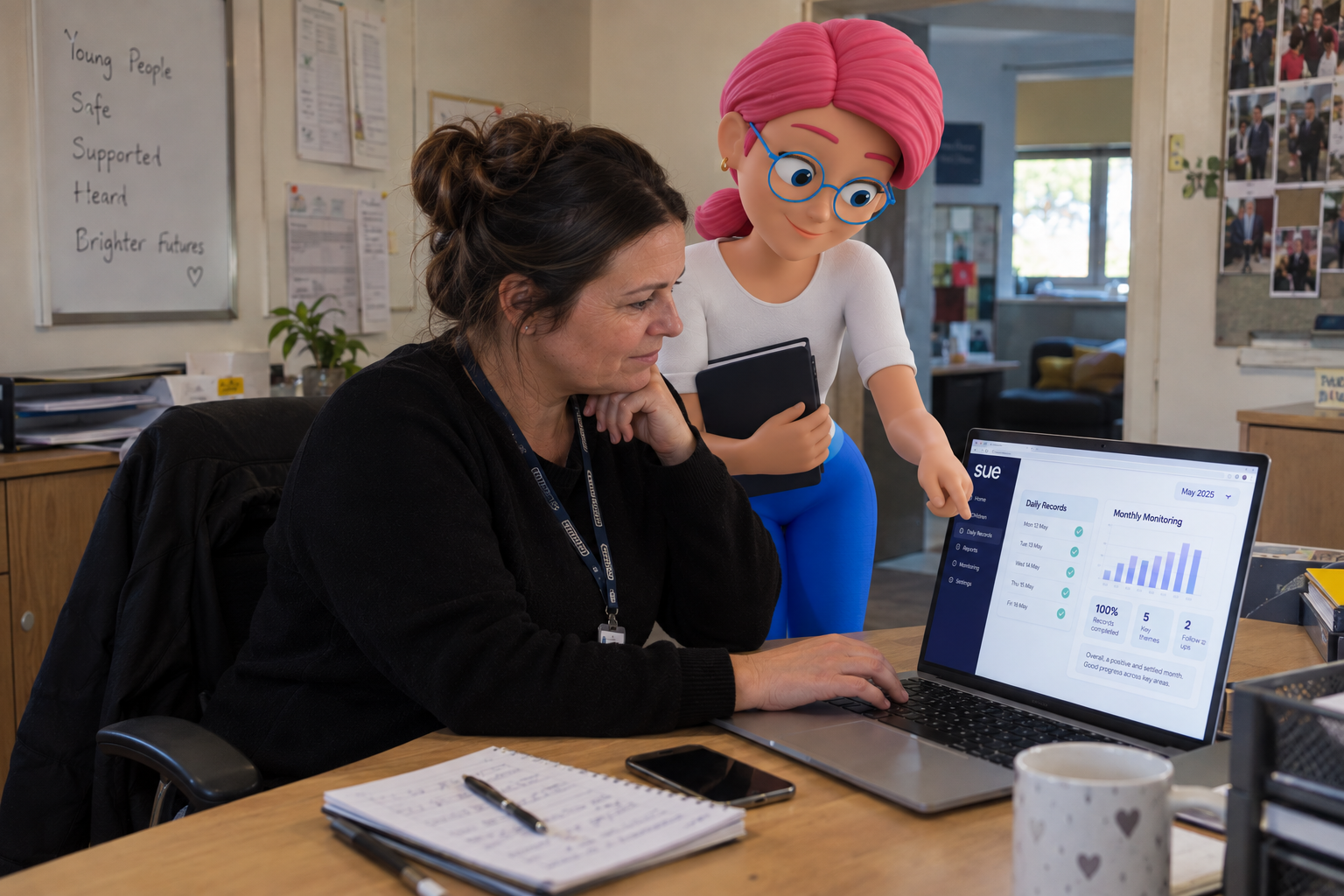
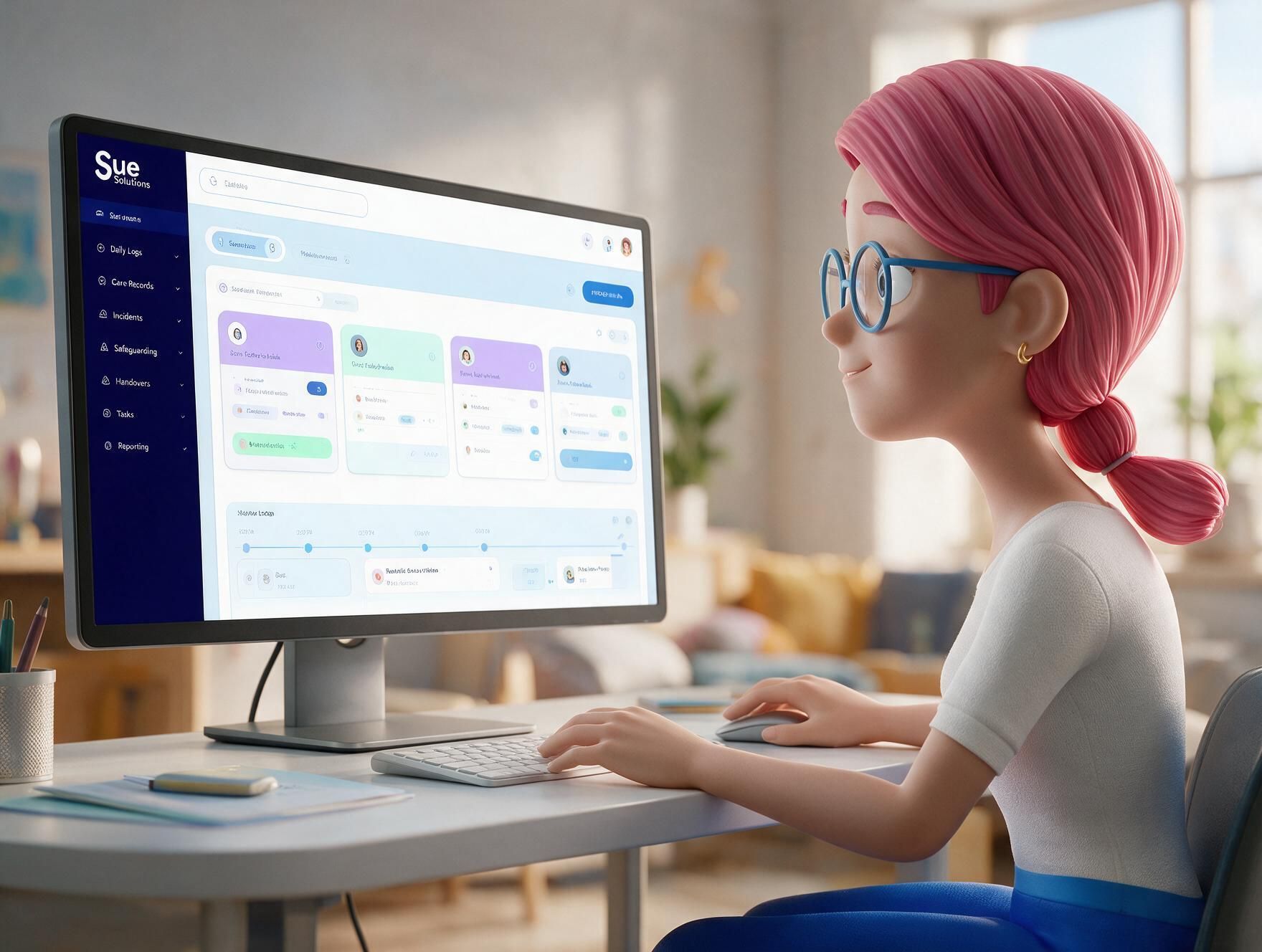
For multi-home organisations, a single source of reliable information, the kind good children's home management software provides, makes this work far more manageable. Sue Solutions can give managers, responsible individuals and directors role-specific visibility, so actions, trends and outstanding tasks are easier to see without chasing separate spreadsheets from every home.
Where External Regulators Fit In
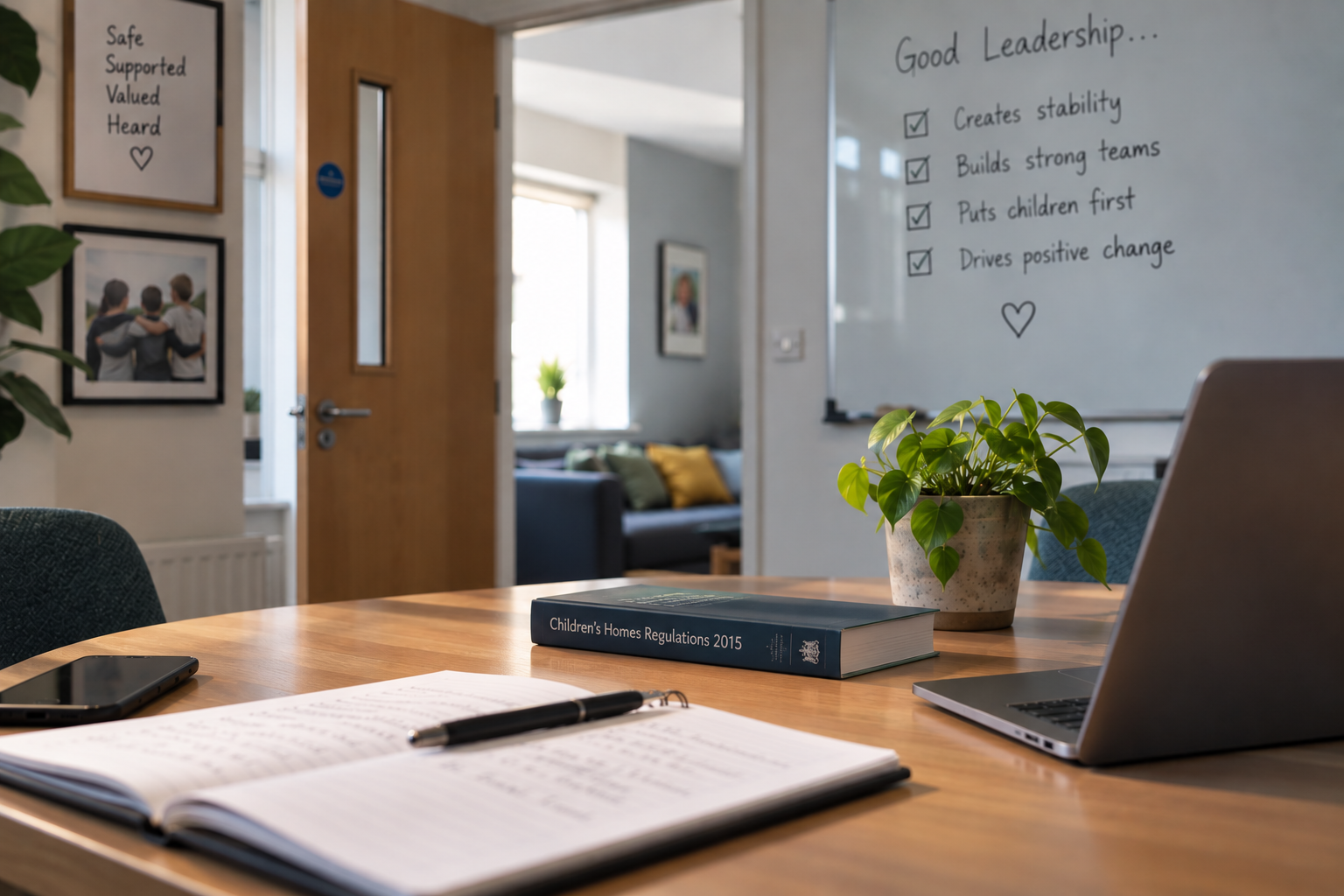
External scrutiny remains essential, but it should not be the first time a provider discovers a problem. In England, Ofsted regulates and inspects children's homes against the relevant regulations, quality standards and inspection framework, considering both records and practice, including whether leadership and management arrangements protect children and promote positive outcomes. The duties themselves sit in the Children's Homes Regulations 2015.
Providers in England also need to meet requirements around independent visits under Regulation 44. These monthly visits offer an external perspective on the safeguarding and quality of care within the home, with reports shared with the provider and Ofsted as required. A strong provider treats these reports as useful challenge, not a document to file away.
The regulatory body differs across the UK, and providers operating across borders should not assume one set of processes automatically meets every requirement.
How Do You Make Accountability Clear, Not Burdensome?
The strongest compliance arrangements make it obvious who owns an action, who checks it and when it must be reviewed. They also set a clear escalation route. If a careworker identifies a safeguarding concern, they should know exactly what to record, who to inform and what happens next. If a manager spots a recurring issue, the responsible individual should be able to see the response and challenge its effectiveness.
This does not mean monitoring every task with the same intensity. A low-level recording correction and an allegation against a member of staff need very different urgency, oversight and decision-making. Proportionate monitoring keeps significant risks in view without burying teams in administration.
- What has changed since last month?
- Which actions remain open, and why?
- What are children telling us about their care?
- Where is one home performing differently from the others, and what sits behind it?
Regular quality assurance meetings help, provided they lead to action rather than a reassuring report. Compliance across homes works as a shared responsibility. Every person has a part, but leaders set the standard by making expectations clear, information accessible and challenge welcome. When the right people can see the right information at the right time, teams move from chasing paperwork to noticing what children need next. Sue Solutions was built for children's residential care and supported accommodation by people who worked in the sector, to give every role that clear, current view.
Frequently Asked Questions
Compliance is never held by one person. Careworkers create much of the evidence through daily recording, the registered manager leads oversight within each home, the responsible individual provides independent governance and challenge on behalf of the provider, and directors look for patterns and performance across the group. External regulators then assess whether the required standards are being met. The point of the shared model is to make sure concerns are seen at the right level, early enough to act.
For providers in England, the responsible individual makes sure the organisation meets its responsibilities for registered children's homes. Their value is independent oversight and constructive challenge: understanding whether the manager has the capacity and support to lead safely, seeing themes across incidents, complaints, missing episodes, recruitment and training, and gaining assurance that identified actions are completed and evaluated, not just reported as done.
Bring group-level oversight together with the context behind it, so leaders can compare homes without reducing children's care to a set of numbers. A single, reliable source of information helps directors and responsible individuals see actions, trends and outstanding tasks across every home without chasing separate spreadsheets, and it lets a rise in incidents in one home be read against staffing, changing needs, behaviour support and recording quality rather than in isolation.
It depends on the nation. Ofsted regulates and inspects children's homes in England against the Children's Homes Regulations 2015, the quality standards and its inspection framework. Care Inspectorate Wales, the Care Inspectorate in Scotland, and the Regulation and Quality Improvement Authority in Northern Ireland each have their own frameworks. Providers operating across borders should not assume one set of processes meets every requirement.
Make it obvious who owns an action, who checks it and when it must be reviewed, and set a clear escalation route so a careworker with a concern knows what to record and who to tell. Monitor proportionately: a low-level recording correction and an allegation against staff need very different urgency. Quality assurance meetings help when they lead to action rather than a reassuring report.